
What Should Anime Beginners Watch First? How to Choose Your First Series
What Should Anime Beginners Watch First? How to Choose Your First Series
Many people want to start watching anime but get stuck thinking, \"There are so many famous titles, where do I even begin?\" Rather than choosing by popularity alone, narrowing down by genre × episode count × pacing makes it surprisingly hard to fail. Your first anime doesn't have to be a masterpiece—it just needs to feel right for you.
Many anime fans in Japan struggle with where to start when there are so many acclaimed titles to choose from. Rather than picking by popularity alone, narrowing down by genre × episode count × pacing leads to far fewer missteps. This guide is designed for anime newcomers and those returning to the medium after a break—to help you decide on your first series with confidence.
Using the standard 30-minute episode format as your baseline, you can easily gauge whether to start with a feature film, a single-season TV series, or dive into a longer commitment. A simple comparison table and flowchart will help you avoid second-guessing yourself. Even I found that after stopping the habit of chasing hype, I could confidently try one episode, and if it didn't fit the mood, simply switch genres rather than persist with a mismatched title. The key to actually enjoying anime is finding an entry point that aligns with both your current emotional state and your available viewing time.
Why Anime Beginners Get Stuck Choosing Their First Series
The biggest reason beginners hesitate is that in anime, popularity doesn't always equal accessibility. It's not just the sheer volume of titles—it's that hit shows come loaded with dense world-building, specific conversational rhythms, and the expectation that you're watching a long-running franchise. When those elements don't click, you end up feeling like, "Everyone says this is great, so why can't I get into it?"
Here's what matters: a title's critical acclaim and its suitability as your first complete watch are two different things. Initial experience with anime should prioritize ease of completion over prestige. Beginners typically succeed with titles that have good pacing, intuitive world-building, and characters you can root for quickly. Battle series are straightforward in their goals; slice-of-life and school series need minimal prior knowledge and let you settle in through atmosphere. Mystery and drama series excel at making you want the next episode, but when packed with information, they can leave you behind early on.
Your first series becomes more than just one show—it shapes your impression of anime as a whole. Many people abandon the medium entirely after one unsatisfying first experience, even though a different title might have hooked them instantly. I've had this happen: I tried a massively hyped series and felt unmotivated by episode three, then watched it fizzle completely. Conversely, when a show's pacing and tone clicked for me, I knew within the first fifteen minutes whether I'd keep going. The decision to continue often happens faster than you'd expect.
Finding the "Right Gateway" Beats Chasing Popularity
Based on our platform's estimates and personal experience, casual to mid-level viewers typically watch around 5-10 series per year (this varies by preference and viewing style).
From that perspective, series with clear endpoints tend to work better as entry points than sprawling franchises. A 12-13 episode season or a feature film with a definitive ending is easier to commit to than an open-ended saga. Because anime has so many titles, starting with a smaller, genre-matched success story builds momentum for your next watch far better than diving headfirst into an ambitious multi-season epic.
30 Minutes: The Perfect Beginner-Friendly Runtime
TV anime typically runs 30 minutes per episode—this length is the sweet spot. Longer than a short video, lighter than a full TV drama, it hits a balance that works perfectly for beginners. You can squeeze in "just one episode" on a weeknight, making it vastly less intimidating than committing to a 2-hour viewing session. That flexibility alone is a huge advantage.
A smart approach: if you have 2 hours free, you can watch about 4 episodes and see if a series grabs you. Weekend binge? You can test the opening momentum. Weeknight wind-down? A single episode costs no more than a coffee break. Anime might seem like a time-heavy hobby, but at the entry level, it's surprisingly easy to sample.
💡 Tip
Beginners often fret about "difficult" content, but what really matters is finding something that fits your current mood and energy level. Wanting action on a day when you're drawn to quiet character drama? You'll feel bored. The mismatch is the real problem.
From a production standpoint, a single 30-minute TV episode involves substantial crew coordination. The exact number varies widely by studio and outsourcing, but the principle remains: 30 minutes of anime is remarkably concentrated craft, not something to nervously dissect.
The core issue isn't that options overwhelm you—it's that popularity, length, genre, and pacing all hit at once. What you actually need is a series where you'll want to hit "next episode" after just 30 minutes, not a critically acclaimed work you'll feel obligated to endure. Your first series should offer the satisfying sensation of finding your rhythm with the medium, not the prestige of having seen a canonical masterpiece.
Five Core Criteria for Choosing Your First Series
Instinct-based selection often misfires, but breaking the decision into five categories makes everything clearer. Whenever I recommend a series to newcomers, I lead with, "What could serve as your entry point?" rather than, "Is it good?" The turning point for me came when I stopped casting a wide net and instead committed to conditions first—like, "Something funny, one season, strong opening hook"—then searched. This approach more than doubled my completion rate. Series selection is about strategy, not intuition.
1. Match Your Genre Preference
Starting with genre compatibility is the most stable approach. Rather than chasing popularity, think about what kinds of stories naturally draw you in. If you love a good mystery in films and TV, mystery anime might be your jam. If you prefer breezy dialogue over high stakes, slice-of-life and comedy hit different. Battle series offer clarity and excitement but often sprawl into longer formats, so pairing them with a length check prevents regret.
Early narrative clarity is prized across all visual storytelling—something design frameworks consistently emphasize. The same principle applies to anime's first episode: when the story's value and appeal are immediately visible, you're far more likely to stay.
Compatibility checklist:
- Battle & Adventure fit you if: You love clear objectives, growth arcs, and visually impressive moments (like signature techniques)
- Slice of Life & Comedy fit you if: You want to skip heavy premises, enjoy witty dialogue, and appreciate mood and atmosphere
- Mystery & Drama fit you if: You're hooked by tangled plots, clues, and emotional shifts
- Romance & Coming-of-Age fit you if: Character dynamics and emotional distance captivate you
- Sci-Fi & Fantasy work best if: The setup is clearly explained and early goals are obvious
- When unsure: Lean toward whatever film, TV, or manga genres typically appeal to you
Concrete examples help. Want sharp action from the jump? Demon Slayer and One Punch Man open with memorable hooks. Prefer witty ensemble banter? SPY×FAMILY and Teasing Master Takagi-san show off character charm before you've fully grasped the premise. Chasing narrative tension? Erased and Hyouka build compelling "what happens next" momentum through their setups.

The Importance of Video Structure: How to Create, Frameworks & Benefits|Borderless Tokyo
A thorough guide to how video narratives are structured. Clarity of message and character hooks determine viewer retention.
www.borderless-tokyo.co.jp2. Consider Episode Count & Total Length
After genre, episode count matters—not because narrative depth varies, but because predictable scope reduces mental burden. If a 48-episode series intimidates you before watching a single episode, you've already made completion harder. Conversely, clear-cut runtimes feel approachable.
Since TV anime uses 30-minute slots, two free hours = ~4 episodes. This math helps: a 12-13 episode season is "test the opening momentum over a weekend" distance. A film clocks in at ~100-120 minutes, roughly equal to 4 TV episodes, giving you a complete story arc in one sitting. Length isn't about preference—it's about whether your current schedule and headspace allow it.
Length-based checklist:
- I prefer weeknight viewing: A single-season series fits naturally
- I want closure in one sitting: Feature films work best
- Long shows intimidate me: Start with defined, shorter projects
- I do weekend binge sessions: A 4-episode test lets you assess trajectory
- I want deep character relationships: TV series usually serve this better than films
- I'm avoiding dropout risk: Clarity of endpoint matters more than length itself
The point isn't that longer = worse. Long series deliver immense satisfaction when they land. But your first series should prioritize successful completion over ambition. Pick based on "Will I realistically finish this?" not "Is this series famous?" This alone narrows things dramatically.

"Your Name." Official Movie Site
A visually stunning romance built on a captivating premise. Complete in one theatrical sitting, perfect for your anime debut.
www.kiminona.com3. Pacing & Narrative Momentum
Same 30-minute slot, wildly different subjective lengths. Series beginners find accessible share something: strong pacing. This doesn't mean fast cuts—it means goals surface early, character relationships clarify quickly, and each episode ends with reason to press play next.
From a production angle, giving viewers "what makes this fun?" quickly matters enormously. Battle series especially benefit from clear opening hooks, obvious stakes, and legible progression. The guide to battle anime entry points consistently emphasizes not raw heat but speed of understanding—letting you know what to watch for without drowning you in explanation. A series where you grasp the direction in the first half? You'll almost always reach episode two.
Pacing checklist:
- The protagonist's goal is clear by episode 1's midpoint
- Appeal reveals itself through visuals, not explanations
- Dialogue stays engaging even if lengthy
- Episode endings create reason to continue
- Setup doesn't consume the entire runtime
- Tone is established immediately
💡 Tip
Unsure about pacing? Filter by "funny + one season + strong opening." These three conditions eliminate most misses. Sophisticated narrative depth reveals itself later; right now, you need comfortable entry.
SPY×FAMILY proves this: it's espionage at heart, but lands as a family comedy first. Emotional access comes before world-building. One Punch Man communicates its appeal instantly—ridiculous strength, comedic deflation—so nothing feels heavy. Erased sustains tension from frame one. Pacing means "don't leave me behind," not "pile on spectacle."

Battle Anime Essentials: 15 Heated Series for Newcomers|Subreddit Breakdown
Titles sharing solid emotional arcs beneath the fighting. Clear entry points for beginners to feel genuine excitement.
dokovod.com4. World-Building Accessibility
Beginners often stumble on world-building complexity—but I don't mean "shallow is better." I mean: does the sequence of information make sense? Dense settings become manageable when explained in the right order.
This criterion favors slice-of-life and school settings: they mirror reality, so you absorb tone before needing to memorize terminology. Teasing Master Takagi-san opts for relationships over exposition, making it hard to lose your way. Even mysterious concepts work if grounded in the everyday: Hyouka treats puzzles as everyday curiosities, not specialized knowledge.
World-building accessibility checklist:
- Episode 1 doesn't introduce excessive unique nouns
- Allies, enemies, and goals have clear relationships
- Rules communicate through visuals, not dialogue
- Unknown terminology doesn't derail the moment
- The setting feels real or has gradual explanation
- You experience the world through the protagonist's perspective
Deep world-building isn't forbidden—just secondary to kind introduction. Demon Slayer carries substantial lore but leads with unmistakable motivation: save your sister. The setup handles the rest. Conversely, titles where setting is the appeal's center are better saved for series #2+. Depth later; clarity now.

"Teasing Master Takagi-san" Feature Film Official Site
Pure character charm and witty back-and-forth. Everything you need to enjoy it emerges naturally from the relationship itself.
takagi3.me5. Emotional Entry Point: Laugh, Cry, or Thrill
**Pick what you want to feel over abstract genre categories.** Humans continue watching because something made them laugh, tear up, or desperate for answers—not because they successfully catalogued setting mechanics. Beginner recommendations emphasize "easy emotional connection" precisely because clear emotional hooks predict continuation.
Wanting to laugh on a day you pick a heavy drama? The show isn't wrong; you've just mismatched the moment. Seeking intimate character drama while watching light comedy? You'll feel it lacks depth, even if it's well-made. Gauging this alignment beforehand separates hits from near-misses.
Emotional entry checklist:
- I want to laugh: Prioritize dialogue snappiness, character chemistry, episode lightness
- I want to cry: Look for carefully layered character arcs and relationships
- I want suspense: Seek mystery hooks and strong cliffhangers
- I want escape: Avoid heavy premises; favor accessible joy
- I want immersion: Look for clear emotional peaks
- When stuck: Narrow to ONE feeling you're chasing today
By name: comedy entry = SPY×FAMILY or Teasing Master Takagi-san; tearful paths include feature films, with Your Name building a wave of emotion. Suspense? Erased delivers. Emotional clarity drastically shrinks your pool. Figure out your tone, and genre confusion largely evaporates.
Mini Terminology Guide
Early-stage series hunting gets easier when basic terms make sense. Production terminology shifts across studios, and newcomers deserve context. You needn't memorize, but a few key words transform reference descriptions into practical tools.
Core terminology:
- "One cour": A broadcast season block. For beginners, shorthand for "bite-sized and test-friendly"
- "Two cours": Longer block. Allows deeper storytelling but heavier for first-timers
- "Opening / Setup": Early episodes introducing world, cast, and goals
- "Good pacing": Not just speed but clarity of appeal and character bonds arriving quickly
- "World-building": The setting's rules, scale, and values as unified whole
Knowing these transforms vague praise ("Great pacing!") into actionable intel: Does this show establish its fun early? Can I follow it without obsessive pausing? Strategy trumps gut feel when you have frameworks.
By Genre: How Each Type Serves Beginners
Genre-based branching simplifies "What do I actually like?" before personal preferences fully crystallize. Popularity-based selection misses that some seekers want intense escalation, others prize carefree fun, still others crave narrative momentum. Genre lists and intro roundups like "Battle Anime Essentials" reveal shared traits: quick setup, legible stakes, instant charm delivery. Those patterns predict beginner success.
A side-by-side quick comparison builds your mental map:
| Genre | Accessibility | Potential Friction | Best Fit | Beginner Appeal |
|---|---|---|---|---|
| Battle & Adventure | Clear goals, easy entry | Longer series feel heavy | Heat-seekers | Speed, spectacle, growth |
| Slice of Life & Comedy | Minimal prerequisite knowledge | May lack dramatic climax | Laid-back viewers | Dialogue warmth, mood |
| Mystery & Drama | High hook strength | Information density can overwhelm | Story-focused viewers | Clues, emotional stakes, tension |
| Feature Films | Self-contained completion | Emotional swings vary | Time-conscious viewers | Defined endpoint, satisfying arc |
Battle & Adventure: Gateway & Cautions
Battle anime excels at clarity—"Why fight?" almost always answers itself. The protagonist's goal, rival conflict, and strength-gain journey form one clean thread, making plot easy to track. Visually, action, score, and signature moves arrive early and advertise what you're watching for. That early hook—raw spectacle—is powerful.
Demon Slayer (2019, Ufotable) centers on saving a beloved sister, an uncomplicated emotional anchor. Unique lore exists, but pure motivation prevents getting lost. Ufotable's visual design clarifies action: you always know who's winning and how. One Punch Man reverses the formula: the hero starts maxed-out, leaning on comedic deflation rather than climbing tension. Heat still present, never heavy.
Caution: Popular battle series tend to stretch long. Grasping is easy; committing to length is harder. Your first watch should prioritize "Do I want episode two?" over "Will I complete the entire run?" Persistence out of obligation kills momentum. Beginners benefit from snappy entry and permission to abandon if the long-term roadmap feels daunting.
This genre suits those craving clear-cut excitement, character growth arcs, and visual spectacle. If you prefer quiet character moments over clashing titans, battle might not be the gateway.

"Demon Slayer" TV Anime Official Site
A tale of loss, determination, and sibling bonds. Clear emotional core and visually stunning action make it a strong entry for combat lovers.
kimetsu.comSlice of Life & Comedy: Gateway & Cautions
"I just want something fun" translates beautifully here. Slice-of-life works because it demands almost no prerequisite—you understand characters through their interactions before needing any lore. Wit and chemistry are the content; explaining comes secondary.
SPY×FAMILY wears heavy trappings (espionage, assassination, mind-reading) but actually runs on domestic misalignment humor. Co-produced by WIT Studio and CloverWorks, the visual clarity and rhythmic snappiness anchor the appeal. Teasing Master Takagi-san goes further: two students trade insults in school—setup so simple you need zero preamble. Relationship-driven stories let your instincts take over.
Caution: Without dramatic peaks, some feel unfulfilled. That's not weakness—it's format. Does witty banter sustain you? Does watching personality unfold beat watching stakes escalate? If yes, great. If no, try elsewhere. And yes, this means you're not "wrong" for preferring impact; you've just found your compass.
Suits those dodging heavy premises, wanting bedtime-friendly viewing, or valuing character chemistry over external conflict. Beginners do well here because understanding relies on "watch people" not "memorize rules."

Anime "SPY×FAMILY"
An unconventional family bound by lies navigates daily life. Character warmth and comedic timing deliver appeal instantly, with world-building secondary.
spy-family.netMystery & Drama: Gateway & Cautions
Craving story momentum? This genre hooks through "what happens next?" That emotional pull translates to continuous viewing. A well-designed episode structure here does heavy lifting.
Erased (2016, A-1 Pictures) pairs suspense with raw emotional desperation—save someone from tragedy. Lore exists but feeling wanting to prevent pain drives forward. Hyouka (2012, Kyoto Animation, 22 episodes + OVA) handles mysteries differently: everyday curiosities observed and reasoned through. Less thriller, more intellectual satisfaction. Both work but approach mystery differently.
Caution: Information-heavy works can leave beginners behind fast. Proper character arcs + emotional stakes = beginner-accessible mystery. Puzzles solo? Not yet. The tonal difference between Hyouka (grounded, atmospheric) and Erased (pressurized, intense) matters. Pick your preferred thriller flavor.
I find myself seeking these during weekends when I can feed multiple episodes back-to-back. The investment pays off when stakes feel real. Suits analytical viewers and those comfortable sitting with narrative questions. Beginners do well if they lean on character stakes, not pure logic puzzles.

TV Anime "Erased" Official Site
Desperation, mystery, and the drive to change fate. Emotional stakes make complex narratives feel urgent and personal.
bokumachi-anime.comStarting with Feature Films
For series-phobic beginners, films are elegant entry points: self-contained, endpoint visible from frame one. ~100-120 minutes ≈ 4 TV episodes in one unbroken arc. You get world immersion and emotional completion without wondering if you're "locked in."
Your Name (2016, Makoto Shinkai) pairs romance with SF intrigue, balancing spectacle and intimacy. Entry feels natural because emotional connection precedes full setting comprehension. Summer Wars (2009, 115 minutes) braids family bonds with digital-world conflict; you stay grounded in relatable human stakes while observing technical chaos. Films excel at self-contained storytelling.
💡 Tip
"Not building a series habit yet?" Films bypass that friction. One sitting = complete narrative satisfaction. Perfect training wheels for understanding anime's particular language.
Potential drawback: emotional swings are big. Some days feel too heavy. If ultra-casual viewing is your goal, stick to slice-of-life TV. Films demand more emotional presence but offer cleaner closure.
Genre-Specific Examples: Why They Work as Launches
Battle Series: Demon Slayer / One Punch Man
Battle works because you immediately know what to care about. Enemies appear, stakes clarify, growth becomes visible. Visual storytelling—techniques, power-ups—broadcasts appeal without lengthy exposition. Battle Anime Essentials repeatedly flags quick narrative setup and legible action as beginner hallmarks. Series where "what matters" arrives early get continued.
Demon Slayer anchors everything on saving a sister. One motivation unlocks everything: why the protagonist trains, why demons matter, why scenery matters. Ufotable's craft ensures combat reads clearly—you follow advantage shifts frame-to-frame. Settings depth counts less than "visual clarity." That's beginner-friendly production.
One Punch Man inverts: the hero dominates from frame one. That paradox (strongest guy = bored guy) gets mined for comedy. Seriousness paired with deflation happens early, so you grasp the show's tone instantly—no episode three revelation needed. Heat without heaviness appeals to those wanting excitement minus oppressive narrative burden.
Slice of Life & Comedy: SPY×FAMILY / Teasing Master Takagi-san
Strength here: character charm transcends world-building. SPY×FAMILY layers espionage and assassination into "will this pretend family work?"—relationships take narrative primacy. Setting complexity becomes secondary; you like these people first, understand their jobs later. That sequence = beginner-proof.
Teasing Master Takagi-san goes further: a girl teases a boy at school, repeatedly. No cosmic stakes, no secret identities, just interactive chemistry. Understanding the show requires zero context; pure observation hooks you. Early episodes establish the dynamic; you predict and anticipate from there. That intuitive entry? Beginner gold.

Anime Essentials for Newcomers: Foundational Genres Explained|Everyone's Handbook
Approachable introduction to core anime styles and recommended titles for first-timers.
tips.lilium-fairy.comMystery & Drama: Erased / Hyouka
Erased works because emotion + puzzle coexist: you want answers and desperately hope the protagonist succeeds. That dual pull sustains viewership. Savvy narrative design pairs mystery satisfaction with character stakes, letting beginners pursue both.
Hyouka softens mystery: schoolyard puzzles, observed details, quiet reasoning. Heavy on atmosphere, light on jargon. Kyoto Animation's visual craft communicates meaning through framing and silence, not exposition. That gentler mystery approach? Beginner-welcoming.
Films: Your Name / Summer Wars
Your Name draws through a simple hook: two people swap bodies across time. Romance, mystery, SFX—all converge emotionally. You don't need to understand physics; you need to want these people to connect. That priority = accessible storytelling.
Summer Wars anchors chaos (digital realm crisis) to warmth (extended family). Action happens online; stakes are human. You stay grounded while observing spectacle. That emotional ballast makes the film's premise digestible.
💡 Tip
Patterns emerge: early laugh/shock/emotional beat + clear goals + visual legibility = beginner success. Hunt those elements.
Sibling salvation as north star. Combat visuals clarify instantly. Emotional entry point = immediate.
Overpowered hero seeking meaning. Humor landing immediately. Tone grasped without delay.
Elaborate setup, domestic delivery. Character warmth before exposition. Intuitive appeal.
Two schoolkids, witty sparring. Zero context needed. Pure relationship chemistry.
Suspense + character desperation. Mystery + emotional stakes. Dual hooks = sustained interest.
Everyday mysteries observed thoughtfully. Gentle pacing. Atmospheric over intense.
Swap premise + emotional crescendo. Visual spectacle + romance grounding. One-sitting completion.
Family warmth amid digital chaos. Relatable stakes. Spectacle serving character bonds.
Common Beginner Mistakes in Selection
Struggle often stems not from inherent difficulty but from choosing something your current viewing energy won't sustain. Many abandon after episode one despite the show's quality, simply due to misalignment. Failures cluster into patterns. Remember: "fits my current availability" beats "critically acclaimed" every single time.
Starting with Long Series
The biggest trap: diving into multi-season epics. They look appealing because popularity signals quality. But "catching up" feels like homework before you've tasted the fun.
Better entry: complete films or single-season series. Your Name and Summer Wars let you experience finished worlds. For TV, Erased maintains goal clarity across its run, pulling you forward.
Long favorites matter—just later, after building habit.
Overly Complex World-Building
Setting comprehension demands energy. Information-heavy openings exhaust before entertainment arrives.
Start with everyday-rooted premises instead. Teasing Master Takagi-san (school = known context) vs. intricate fantasy—massive difference in friction.
Once hooked? Complexity becomes attraction.
Chasing Buzz Over Gut Feeling
Trending series get hype for good reason, but your mood and theirs might not align. Everyone's raving doesn't mean it fits you today.
Reorient: "Do I want to laugh, cry, or thrill?" isolates your actual desire. Match that first. Hype becomes secondary.
Misalignment → episode three dropout. This pattern repeats constantly, including in my own watches.
Ignoring Personal Taste
Same genre, wildly different feeling. One battle series pumps hot-blood; another stays cerebral. Same mystery can haunt quietly or press urgently.
Sample the opening minutes. Which emotion lands: laughter, dread, warmth? That reveals compatibility faster than description.
Defaulting to Hype
SNS buzz made me try something misaligned with my mood dozens of times. Three episodes in, I quit—not because the show failed but because I'd outsourced my choice.
**Recalibrate: what do I need right now?** The answer shifts. Respect that, and completion skyrockets.
💡 Tip
Abandoned a praised show by episode three? You didn't fail. You chose externally instead of internally. Flip your priority order next time.
Personal experience: this shift alone doubled my completion rate. Stop asking "Is this universally good?" Start asking "Will I want episode two tonight?"
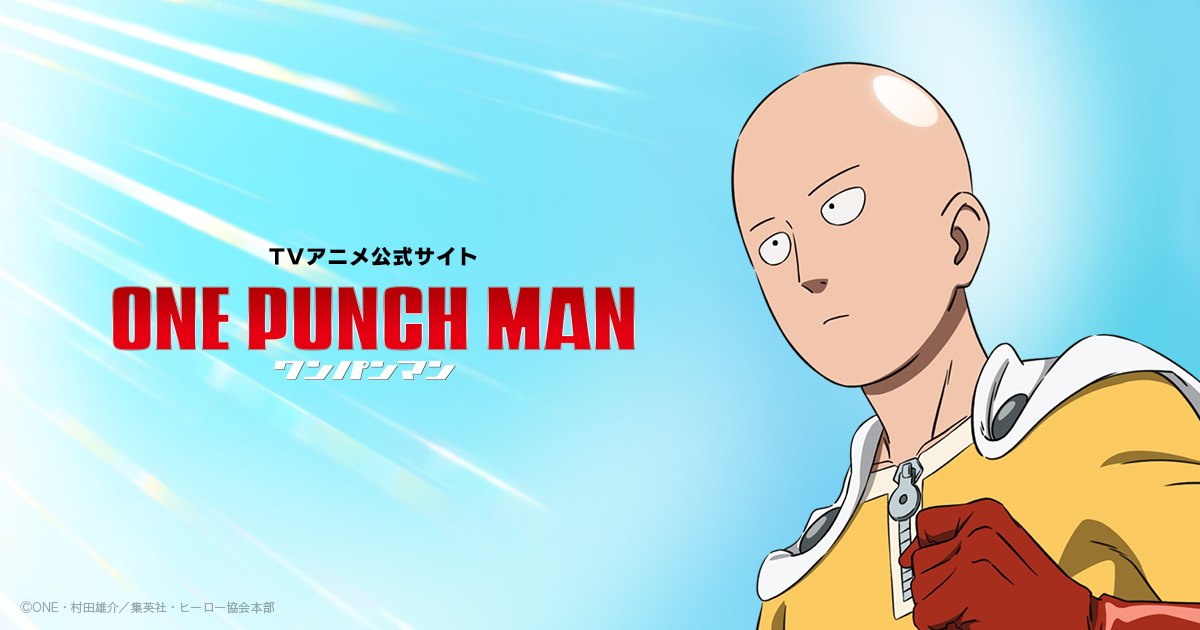
TV Anime "One Punch Man" Official Site
The laid-back hero. Action and comedy land instantly, tone grasped without delay. Heat without pressure.
onepunchman-anime.netYour First Series: A Simple Flowchart
This section collapses everything into straightforward branching. Five steps: mood → length → emotional resilience → angle → final pick, then hit play on episode one.
Start simple:
- Pick your mood: Laugh / Cry / Thrill
- Set duration: One film / ~12-13 episode season / longer okay
- Gauge emotional capacity: Can you handle heavy? Prefer everyday grounding?
- Identify flavor: Romance-leaning / Comedy-leaning / Action-leaning / Mystery-leaning
- Narrow to three candidates: Choose the one your gut nudges toward, then press play
This order avoids deferring to name recognition. People stuck in step-one thinking lose themselves in notoriety. Pre-decide, and your choice becomes obvious.
Feature Film Route
One complete arc—clean appeal. Weekends call for this approach if free time clusters.
Branching: Cry or thrill first?
Crying + emotional depth: Your Name peaks as introduction. Straightforward premise (body swap) builds to emotional crescendo. Accessible spectacle + human core = beginner-proof.
Thrill + grounded stakes: Summer Wars anchors digital-world chaos in family bonds. You understand what matters before comprehending technology. That sequence = inclusive.
Action spectacle + direct entry: Demon Slayer layers heavily but motivation sits clear. Ufotable's clarity carries newbies through.
Films: three-candidate shortlist
| Mood & Angle | Title | Gateway Strength |
|---|---|---|
| Crying + Romance-forward | Your Name | Premise hooks instantly; emotion builds cumulatively |
| Thrilling + Grounded Stakes | Summer Wars | Family warmth balances spectacle; stakes feel real |
| Action + Visual Clarity | Demon Slayer | Motivation unmistakable; combat reads clearly |
Explore further: our Anime by Genre resource helps narrow candidates.
Single-Season TV Route
"Films feel like commitment, but series-length scares me"—perfect fit.
**
Beginner FAQ: What to Know Before You Start Watching
Before starting anime, the uncertainty isn't usually about title selection itself but about "where to base your judgment," which causes unnecessary hesitation. Beginners especially get caught up in doubts like "should I push through a famous show a bit longer?", "this series looks too long to start," or "is streaming the right way to watch?" Simplifying the rules makes it much easier.
First, dropping a show after episode 1 is totally fine. I believe being decisive here actually increases the chance of sticking with anime long-term. The judgment criteria aren't complicated either. Watch for three things: how quickly it hooks you, whether you can get behind the protagonist, and how comfortable the visuals are. If the opening doesn't clarify what the show is about, if you can't connect with the main character's emotions, or if the colors and pacing are just tiring -- any of these hitting hard means this show probably isn't your entry point right now. Same goes for famous titles. One episode is about 30 minutes, so rather than dragging through something that doesn't click out of obligation, switching to a different genre is lighter.
"I felt something off in episode 1, but it's supposedly a masterpiece -- should I hold until episode 3?" is a common dilemma. The baseline here is also judge at episode 1. When uncertainty lingers, extend to episode 3 at most. That's typically where the introductory climax emerges and the show's core strength becomes visible. But repeating this hold pattern for every show just inflates your watchlist painfully. After I stopped "obligatory 3-episode holds for shows that felt off at episode 1" and switched to "judge at episode 1, then rotate genres," selection fatigue dropped noticeably. This switch is even more effective for beginners.
For the "should I stream?" question, the answer is beginners should prioritize streaming, full stop. The reason is simple: watchlist management and resume playback are incomparably easier. Anime sustains better through "just one episode today" or "halfway through before my commute" micro-sessions than dedicated completion marathons. Streaming makes it easy to pick up where you left off and line up candidates for comparison. In the beginning, reducing viewing friction rather than focusing on the content itself is what builds the habit of regular watching. Physical media or recording-based approaches can wait until after you've found shows you love.
For series entries, overthinking isn't needed either. Start from season 1 or the unadorned "original" title and you're fine. For Demon Slayer, entering from the first TV anime series "Tanjiro Kamado, Unwavering Resolve Arc" is natural. Multi-season shows like SPY x FAMILY or Teasing Master Takagi-san are simplest starting from the initial TV series. Movies and sequel titles are usually built assuming emotional context and relationship knowledge from earlier entries. For viewing order specifics, occasional branching happens per title, so checking the series guide on the official site as your reference prevents confusion.
On speed-watching: I don't recommend it for first viewings. Anime is designed not just to convey information but to orchestrate pacing through silence, shot composition, and music cues. Directorial intent lives not only in "what happens" but in the tempo at which you're meant to receive it. Shows like Hyouka that pull you in through conversation and atmosphere, or Erased where tension accumulation is key, lose their texture at increased speed. You can follow the plot but miss the show's distinctive flavor. Watch first viewings at normal speed; adjust tempo only on rewatches of shows you've already connected with. That's the most comfortable fit.
⚠️ Warning
When in doubt, the benchmark isn't "should I properly watch everything?" but "do I want to spend another 30 minutes with this?" For beginners, this gut check catches potential mismatches earlier.
The premise that a TV anime episode runs roughly 30 minutes aligns with explanations in Amazon's Animation Terminology Dictionary. Because many people contribute to making a single show, episode 1 carries the show's face most strongly. That's precisely why beginners are better off honestly checking whether episode 1's design suits them rather than shouldering "it'll make sense if I watch more."
When your total viewing count is still low, watching around a handful to ten shows per year is perfectly normal. At that pace, compatibility per title matters more. Rather than chasing trending titles, picking up shows where you naturally reach for the play button broadens your genre range more effectively over time. Anime isn't "a hobby of enduring masterpiece homework" -- it's a hobby of finding shows that click at the entrance and branching out from there. Frame it that way and getting started becomes much easier.
Summary: Pick Your First Show by Compatibility, Not "Masterpiece" Status
What to prioritize for your first show isn't whether the world considers it a "masterpiece" but whether you can comfortably finish it based on personal compatibility. Choose based on brevity, clarity, and good pacing; if it feels heavy, shift without forcing yourself. This makes it harder to stall at the entrance, and after I switched to "compatibility first" myself, I found I could comfortably enjoy roughly 5-10 shows per year as a ballpark (individual results vary).
The process is simple: 1. Decide your current mood from 3 options. 2. Choose an acceptable length. 3. Use the comparison table to narrow to one genre. 4. Play one episode of your candidate. 5. If it doesn't click, change the genre, not the show. This sequence prevents getting stuck on "what to watch."
For genre-based browsing, our site's Recommended Anime by Genre: Curated Picks is useful. For prioritizing short, easy-to-finish titles, Top 12 Short Anime: Masterpieces in 1 Cour or Less also helps.
Related Articles
11 Anime Movies That Will Make You Cry | Ranked by Emotion Type: Joy, Sadness, Longing
11 Anime Movies That Will Make You Cry | Ranked by Emotion Type: Joy, Sadness, Longing
You and I Are Polar Opposites: Why It Topped the Winter 2026 Anime Rankings
You and I Are Polar Opposites: Why It Topped the Winter 2026 Anime Rankings
Madoka Magica's New Film Walpurgis no Kaiten Finally Continues the Story After 13 Years
Madoka Magica's New Film Walpurgis no Kaiten Finally Continues the Story After 13 Years
Jujutsu Kaisen Season 3: Culling Game Arc Highlights and Latest Anime Updates