
The Art of Creating Anime Theme Songs | From Conception to 89 Seconds
The Art of Creating Anime Theme Songs | From Conception to 89 Seconds
Anime theme songs aren't just about picking the perfect track for a series. Behind every opening and ending lies a carefully orchestrated process: production committee planning, rights management, three core creation methods—existing song tie-ups, custom compositions, and voice actor performances—followed by production, roughly 89-second TV editing, sync with visuals, and broadcast. Here's how it all comes together.
Creating an anime theme song isn't just about picking the perfect track for your series. Behind every opening and ending lies a carefully orchestrated process: production committee planning, rights management, three core creation methods—existing song tie-ups, custom compositions, and voice actor performances—followed by production, roughly 89-second TV editing, sync with visuals, and broadcast. Here's how it all comes together.
Related articles:
- The history of anime songs and the evolution of tie-ups
- The fundamentals of background music production and how it all comes together
This article is written for fans who love anime songs and want to deepen their understanding of "how do opening and endings actually get decided?" We'll walk through how opening and ending themes differ from background music (BGM), map out the 6-8 stage creative pipeline, explain why the 90-second broadcast slot becomes 89 seconds in practice, and show how production committees navigate differently from project to project.
I've spent enough time at concert venues and on-site interviews comparing TV-size and full-length versions of anime songs that I can feel the craft in every edit. When you hear a song compressed into TV format, you notice immediately: not only does the intro get trimmed and the verses cut, but the entire flow of the music changes. The way the beat moves, the path to the chorus—everything is redesigned for broadcast. Following those decisions gives you a clear window into how anime theme songs function as both "music" and "broadcast-engineered entry points."
How Are Anime Theme Songs Made? Let's Start with the Big Picture
The positioning of theme songs, insert songs, and background music
First, let's get clear on something: not all music in an anime has the same job. A theme song is the face of the work. It plays in teasers before broadcast, gets burned into memory alongside the title, and becomes the viewer's entry point. Background music (BGM), by contrast, supports emotion from behind the dialogue—handling tension, anxiety, excitement, and lingering feelings across maybe 30-40 tracks per season. Insert songs fall somewhere in between: they're used for live scenes, confessions, partings, or crucial moments to instantly amplify the emotional weight of one specific scene.
Understanding this distinction first reveals why only theme songs get this much attention from the planning stage onward. Theme songs tie directly to the work's overall theme and how it's positioned in the market. Production committees, labels, and music publishers all get involved because theme song selection isn't just about creative fit—it's about business strategy too. You'll find it documented in cultural affairs committee materials, which spell out the actual work involved: rights management, production oversight, master recording rights, revenue splits. Picking a song isn't about taste alone.
Theme songs come in different flavors. Some use existing tracks as tie-ups. Others are written specifically for the show. Then there are versions sung by voice actors or character names, which feel deeply woven into the narrative. Since the 1990s, J-pop artist tie-ups have dominated, creating a connection between the anime market and the broader music industry as a commercial overlap.
From my perspective as a fan, a theme song is "a track that explains the work," while background music is "the sound that makes a scene work." Same medium, completely different functions. One is watched as a show's flagship; the other blends invisibly with the visuals. Keeping that role distinction clear is your first step to understanding the production flow.
And here's something important: that 89-second frame isn't just a shortened version. When you do the math, TV-size music (roughly 89 seconds) represents about 37% of a full song (about 4 minutes)—roughly two-fifths. The actual execution varies by project, so treat that as a general guideline.
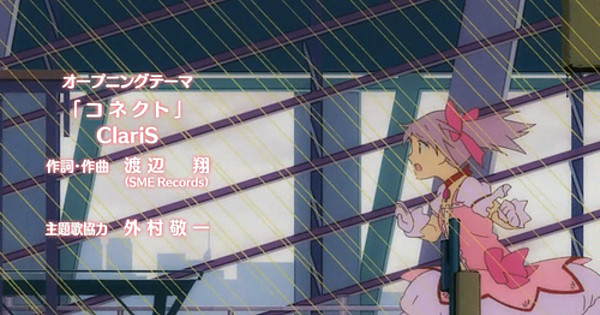
Answerman - How Are Anime Opening And Ending Themes Chosen?
www.animenewsnetwork.comThe standard format for TV series
Knowing the TV standard first makes the creation process much clearer. A standard 30-minute anime has about 22 minutes of actual content, flanked by opening (OP) and ending (ED) sequences. In broadcast, this is often described as a 90-second slot; in production rooms, you'll typically hear "about 89 seconds" as the working standard. That one-second difference might sound negligible on paper, but in the edit suite it's significant. Where you trim the intro, how many bars of the first verse you cut, where you place the chorus peak—each choice fundamentally changes the song's impact.
When I watch a new series for the first time and don't skip the OP, I'm always struck by how quickly the chorus arrives. That "already?" sensation doesn't happen by accident—it's because the composition has been optimized for TV format. A full-length version might take a slower path, but the broadcast edit has been sharpened so viewers will emotionally lock onto it within one episode. That clarity of impact is what you're hearing when you feel that rush.
But here's the key: that 89-second frame is not some mechanical trim job. The TV portion represents about 37% of the full song (roughly two-fifths) structurally. The usual template is "intro → first verse → pre-chorus → chorus" (one full cycle), with the intro cut down or the chorus ending moved earlier to align with the broadcast slot and sync with visuals. Some shows record a TV version first, then expand it later for the commercial release. This can mean the broadcast version and the CD version have subtle differences in arrangement or mixing.
💡 Tip
Think of the opening not as "a time slot to play a song" but as "a 89-second frame that needs to be complete as a work's entry point." Suddenly the short intro and early chorus make perfect sense.
Mapping out the full production pipeline
The journey runs continuously from planning and rights setup through post-broadcast promotion. As noted, a theme song isn't just music creation—it includes sales strategy, visuals, and marketing. Zooming out, these seven stages capture the reality pretty well:
- Planning & direction
The production committee forms, companies agree on who handles what, and the whole structure solidifies. The committee system means multiple companies invest and share rights. Publishers, production studios, broadcasters, labels, music publishers—everyone brings different goals. Who creates the theme song gets locked in at this stage. Even in cultural affairs documents, the administrative work is spelled out: rights handling, production management, master recording control, and revenue distribution. This tells you song selection is far from just a creative call.
- Deciding the theme song approach
Existing song tie-up? Custom composition? Voice actor or character name track? These choices get decided here. Promotional strength pulls toward existing artists or big names, while creative immersion leans toward custom work or character songs. This decision sets the theme song's win condition, which then shapes the entire candidate search.
- Candidate collection
Some projects run competitions with multiple submissions. Others work with specific artists by direct commission. Directors and producers might get demos presented in demos. The focus at this stage isn't "finished songs"—it's "directional testing." Using script, key visuals, plot, and character designs as reference material, the question becomes: which song strongest as the work's entry point?
- Composition
Once direction solidifies, work flows from a one-chorus demo toward the full version. The standard path is concept confirmation → demo → lyrics → full-size version → recording → mixing → mastering, and anime theme songs follow this template. At this stage you decide whether to embed work-specific keywords in the lyrics or just evoke the right feeling indirectly. That choice hugely shapes how the theme lands with listeners.
- Recording, mixing, and mastering
Vocal recording, layered choruses, instrumental replacement, and sound design produce broadcast-ready masters. The TV version sometimes gets priority recording—one chorus done first—while the commercial version gets added sessions and refinement later. This is key: anime theme songs are simultaneously music releases and broadcast assets.
- TV-size editing and visual sync
Here's where anime theme songs get their distinctive character. The full-length track gets cut to about 89 seconds and locked with the opening/ending visuals. The visual side sets rough cuts; the music side adjusts where the chorus sits and how long breaks last, then they refine through rounds of back-and-forth. A song might sound natural on its own, but if it doesn't match where the title logo appears or how characters get introduced, it doesn't work. Conversely, one moment where the chorus hits exactly when a title card lands and suddenly the song becomes the show's face.
- Broadcast, streaming, release, and promotion
Once airing starts, the theme song reaches viewers as part of the series while simultaneously launching as a single, music video, live performance, and more. That's the whole job. It impresses audiences in the anime while establishing presence in the music market. The reason so many people get involved in the selection stage is precisely because it's carrying a double load from day one.
Background music works differently. Instead of amplifying one track as the show's flagship, composers create dozens of pieces mapped to specific moments. A one-season show might have 30-40 tracks—meaning roughly 2.5 to 3.3 new pieces per episode on average. Some composers have a month or two to demo a whole season's worth, so music creators stack emotional material at high density in short time. If a theme song is "one focused punch," background music is "the breath that supports the entire work." For understanding anime music creation, this two-layer view keeps everything in focus.
What Comes First Isn't the Song Itself—It's Who Makes It and Why
The basics of the production committee
Talk about anime theme songs, and the conversation naturally drifts toward "which artist would fit?" or "does the song feel right for the work?" Those things matter, sure. But before that, something else is already decided: who creates it, for what purpose, and why is that song on the show?
That foundation is the production committee system. Multiple companies invest, split rights, and share risk while bringing a project to life. Because people from publishing, visuals, broadcasting, and music all sit at the same table, a theme song doesn't get picked based on music quality alone. The committee is both the funding source and the rights holder. That means your theme song is simultaneously a story element and a commercial product and a promotional asset.
You feel this clearly when you talk to industry people. From my interview experience, the first thing that usually comes up isn't "is this a great song?"—it's "do the work strategy and the music strategy align?" For instance: do they want to drop a new single timed to the broadcast? Build broad reach through streaming? Plan a live concert? That blueprint gets built first, then the song's direction gets locked in.
The strong anime artist tie-up trend since the 1990s connects directly to this framework. A theme song is the show's face and new promotion for the artist. The show gets awareness boost; the artist gets new fans. Both interests meet in the theme song planning space.
The roles of labels, publishers, and broadcasters
Within the production committee, record labels, music publishers, and broadcasters tend to have the most direct influence on theme songs. Each plays a distinct role.
When a record label sits on the committee, it's because they can coordinate music rights and distribution with the show's rollout. Who performs? When does the stream drop? When's the CD release? How does it sync with the broadcast campaign? Locking all that together with the show's timeline is huge. It's not just "we want to use our artist"—it's planning from broadcast launch through PV reveal, early access drops, CD release, and live showcases as one unified line. Maximizing tie-up impact is probably the closest you'd get to summing it up.
Music publishers handle composer/lyricist rights and track usage licensing. For custom theme songs, key questions include who to commission, how to align lyrics thematically, and how to structure rights. The quality of lyrics that feel tailored to the work depends not just on creative instinct but on how thoroughly this stage gets organized.
Broadcasters influence the angle through their programming decisions and promotional strategy. What time slot? What viewer demographic? Which parts show up in the promotional clips? Since a theme song airs outside the episode too, it shapes the show's first impression. That 90-second broadcast slot isn't tradition—it's a fixed format where theme songs actually function. That structural reality is why openings and endings operate as they do.
What you see here is that tie-up appeal spans revenue and marketing. The show gets a conversation-starter entry point; the artist gets exposure for their new single. People who discover the song might watch the series, and people who watch the series might replay the full version and end up at concerts or buying CDs. That circulation loop transforms the theme song from background music into the connective tissue between IP and music business.
Why the actual work differs project to project
That said, "the label's on the committee, so they run everything," right? Not quite. Every show's structure is different. Sometimes the director's musical vision dominates and creative requests come first. Sometimes a music producer lays out competing demos to narrow the direction. Early-stage demos might get shown to the director and stakeholders. From there, the director and involved parties ask: "which one is the work's real face?"
Even within the same tie-up category—existing song vs. custom vs. character song—the process shifts. Existing tracks hinge on release coordination. Custom work centers on script sharing and lyric vetting. Character songs demand full design thinking from events through merchandise. From the outside it's "theme song decided," but inside there's a whole different game happening.
What I find interesting in these conversations is that the first requirement usually isn't "the best song possible"—it's "a song with a clear role in the work's delivery." Do you go after broad impact at launch? Prioritize immersion in the world? Build a whole promotional ecosystem around the cast? That answer varies per project, which is why the approval chain varies too.
That's why theme song selection is closer to work design than a music showcase. Sometimes directors lead; sometimes music teams do. The committee structure is fixed, but what gets prioritized shifts every time. Seeing that variation lets you understand "why does this show's theme song feature this person?" in sharper, more three-dimensional ways.
Three patterns of how theme songs get decided
Existing song tie-up: approach and benefits
An existing song tie-up pulls from tracks already finished or in development, matching them to what the show needs. From the outside it looks like "slapping an old song onto the project," but the actual process has more layers. First, you align the work's direction and promotional strategy. Then you line up multiple candidate tracks or demos and have the director, music producer, label, and committee members test: "is this the sound that opens this work to viewers?" Directors receiving multiple demo candidates at the production stage is pretty standard.
The strength here is promotional momentum. A famous artist name plus an existing song's buzz can transfer straight to the show's marketing. When a PV or promo spot debuts and listeners hear the song, the immediate reaction—"oh, that artist is doing the theme"—draws outside attention to the project. Theme songs function as the show's face and the music market's entry point, and existing-song tie-ups make that connection easiest.
Speed is another asset. The song's skeleton already exists, so judgment happens faster than building something from scratch. Post-adoption, you'll adjust for TV length and do mixing tweaks, but you're starting from a clear baseline, which means broadcast schedules and music rollouts can move in parallel. While the lyrics might not land perfectly tailored to the work, the goal—"get this song out broadly as the work's entry point"—plays to this method's strength.
Custom composition: approach and benefits
A custom theme song draws from the source material, script, design documents, and the director's brief to create something new. The journey typically runs from concept sharing through demo creation, directional selection, final lyrics, full-size version, and recording. The song-creation pipeline POPHOLiC documents—concept confirmation, demo, lyrics, full-size version, recording, mixing, mastering—mirrors this pretty closely.
The custom approach shines through immersion in the work's world. You can factor in the protagonist's emotional arc, the story's pacing, and the aftertaste you want to leave. If you're making an opening, you reverse-engineer from "how much world-building can we fit in 89 seconds of TV?" and adjust the intro length or chorus placement accordingly. Broadcast gives you only part of the full-size version, but you design that fragment to carry the show's entire emotional temperature.
Every time I hear about custom composition projects, the same thing strikes me: the air gets decided in those first few seconds of the rough demo. In a conference room or preview theater, the moment playback starts, reactions come: "this one's the show's face" or "the direction fits but something's still off." It's not reasoned—it's instinctual. Theme songs play before and after the main episode, so how it sounds right from the opening note becomes the work's first impression.
Custom work also excels lyrically. You can work in show-specific vocabulary, the character's perspective, and implications only visible knowing the ending. This produces tracks where repeated listening deepens meaning. From a business angle, custom songs prioritize building the show's IP over the quick punch of a tie-up. "Hearing this song immediately brings that show to mind"—that's uniquely valuable with custom work.
Voice actor / character vocal performance: approach and benefits
When voice actors or character personas sing the theme, you get maximum storytelling fusion. The planning circles around the performance concept, with labels, committee members, directors, and producers refining direction while evaluating demos. What makes this different is that "who sings" links straight to the show's story—so character voice and personality get front-row focus from the composition and lyrics stage onward.
The advantage is immediate. When the song starts, it sounds like the story continuing. That's different from either existing-song tie-ups or standard composition. Character speech patterns might show up in the lyrics, and the voice itself becomes part of the viewer's work experience. Since it threads through anime episodes, live events, stage readings, and tie-in goods, the theme song becomes the transmedia hub.
Endings especially benefit here. After the main episode ends, you absorb emotion through the character's familiar voice. For viewers, "the story hasn't actually ended" feeling persists. You're not dropped out of the narrative but gently bridged toward events and music releases. Deepening the work's interior works better than spreading outward—that's where voice actor themes get their power. Think about it that way and the logic becomes clear.
The three patterns side by side
Comparing these approaches from a practical angle shows these key differences. Across all three methods, you usually don't get one "yes" and move forward—multiple demos circulate, get selected, and go through refinement. The difference is what gets priority in evaluation:
| Element | Existing song | Custom composition | Voice actor / character |
|---|---|---|---|
| Decision process | Pull from in-progress or released tracks and select the fit | Create new composition using source material, and refine through demo comparison | Plan around voice actor performance; select candidate songs |
| Strengths | Promo effect, artist recognition, fast initial launch | Thematic alignment, lyric and structure optimization | Narrative integration, event and merchandise synergy |
| Key stakeholders | Committee, label, director, music producer | Director, music producer, writers, label | Committee, voice actor, label, director, music producer |
| Lyric tailoring | Work-specific isn't guaranteed | Easily reflects themes and characters | Directly expresses character voice |
| Business angle | Strong tie-up positioning; builds show awareness | Deepens work's IP footprint | Connects to events, concerts, tie-in products |
Same outcome (theme song chosen) but different starting places mean different listener impressions. Awareness spread through recognition? Stories crafted with the world? Character voice expanding the narrative without closing it? Theme song sound reflects that opening-day decision.
The musical creation fundamentals: lyrics, composition, arrangement, demo, recording
Concept and material sharing
Song creation doesn't kick off with melodies. You start by locking down what the song conveys about the work. Grab the source material, plot, character profiles, director's notes, and work-defining keywords. Line those up and establish: for an opening, "what's the impression as viewers enter?" For an ending, "what emotional residue do we leave as the episode concludes?" That shared understanding defines a lot more than genre name. Bright or melancholy? Pace? First-person or overview perspective? Direct language or heavy metaphor? Without that clarity, both lyrics and composition start drifting off track. Conversely, when alignment clicks early, every decision afterward moves fast.
POPHOLiC's resource on song creation—concept confirmation through demo, lyrics, full-size version, recording, mixing, and mastering—captures the workflow accurately. The instinct is song happens like inspiration striking, but really the resolution of shared reference material shapes the quality of that spark.
I notice something specific at this stage: when "where the words go" becomes clear before actual notes, those projects tend to be strong. Same work about a protagonist's loneliness plays completely differently depending on whether you go somber or forward-momentum. Concept design is both "pick the song's temperament" and "choose which emotional angle illuminates the story." These aren't separate calls.
The TV-used portion represents about 37% of a full-size song (roughly two-fifths) when calculated against the standard 4-minute length. That's baseline; individual projects adjust up or down.
歌もの楽曲制作の流れについて - 株式会社ポップホリック(POPHOLIC) – 音楽制作/アーティスト・クリエイターマネージメント
弊社は、テレビやライブコンサートで演奏されるアニメやアイドルの歌もの楽曲やアニメやドラマなどの劇伴、ゲームやCMなどに使用されるBGMなど、要望によって、様々なかたちの音楽を制作・コーディネイトしております。 以前、アニ […
popholic.jpDemo (one cycle) → expanding to full version
With concept locked, the next move is a one-cycle demo. What to evaluate? Not finish—the core's strength. How fast does it get to the chorus? Does the melody carry the work's presence? Does the beat feel like the visual opening? Is the key set up the vocalist for success? Try that short version with placeholder vocals and listen. If this one cycle lands, later stages move fast. The actual course of events I've watched is that a scratch vocal demo's first moments can flip a room's energy. Not because there's a lot of instrumentation or fancy arrangement—it's because the chorus's first words hit different. When that connects the work's emotion with audience memory, the demo gets traction. The whole team's feedback aligns. The direction stays straight.
TV theme songs usually get edited down, and real production often uses around 89 seconds. Calculated against a 4-minute full version, that TV section represents roughly 37% (two-fifths) of the material. So if there's slack from intro through chorus, it won't land in that tiny window.
Once direction appears solid, expand to full-size. Here you nail down verse, pre-chorus, chorus, bridge, outro sections—adding dimension that one cycle didn't expose. Lyrics get detailed too. First verse sets the world, second verse digs into character and feeling, bridge flips perspective or hints at the core—each part has its role. The music work gets serious here. That demo skeleton visible under keyboards or drum machine becomes the full arrangement. Which instrument leads? How long before the chorus hits—long intro or jump straight in? Do you pull back before the chorus or push through? Theme songs shape impression through instrumentation choice, not just melody. Arrangement isn't decoration—it's setting the scene.
ℹ️ Note
A one-cycle demo looks rough but it's actually where the song's essence is most exposed. Melody, words, and key alignment here means the full version's core stays solid.
Recording, mixing, and mastering
With the full-size design locked, recording happens. You're not just tracking main vocals. Layer harmony, dub extra texture, add live instruments or strings if needed, turning the flat demo into 3D sound. Same melody sounds different depending on which overtones carry it and where you breathe. Animation heavily pairs songs with visuals, so voice clarity matters hugely. Words need to land on first listen. That's a big advantage. But the lyricist's manuscript doesn't just get sung as-is. Recording is where "words you can hear" gets engineered.
Mixing follows, balancing vocals, rhythm, low end, and spatial effects. Does the voice sit clearly over the episode footage? Does the chorus keep energy? Do TV, streaming, headphones, and speakers all convey the song's core? This stage is where being "the work's face" hits with full force. Anime theme songs sometimes get the TV version recorded first as priority, with commercial versions getting extra takes later. So broadcast and commercial release can sound different—music teams are juggling "sounds that work on television" and "sounds as a standalone product" in parallel.
Mastering completes it. The song's overall loudness, frequency balance, how it sits next to other tracks—all get finalized. Openings should hit like the episode's first punch; endings should land without jarring after the main story. Through these stages, director, sound designer, and label reps weigh in. Feedback isn't casual preference—it's operational feedback: "against this work's temperature, this is too bright," "for an ending, the aftertaste needs more time," "that one lyric drifts from the character." These shape the song from "one good track" into "a functional theme song."
What Makes Anime Theme Songs Different: 89 seconds, visuals, interpretation
Understanding "90-second slot" vs. "89-second production"
The single biggest factor separating anime theme songs from regular pop: duration. Broadcast speaks of "90-second slots" for both opening and ending, but in production rooms you'll hear "89 seconds" consistently. That one-second gap sounds trivial on paper, but in editing suites it's material. How much intro space? How many first-verse measures survive? Where exactly does the chorus land?—it all connects. You can't just trim a full version afterward—you need to design "how this plays on TV" from the start.
Here's what's critical: that 89-second space isn't padding-trimmed filler. Structurally it's one full cycle—"intro → first verse → pre-chorus → chorus"—with the intro shortened or chorus ending moved early to fit broadcast and match visuals. Shows sometimes record the TV version first, then expand later for sales. That's why broadcast and commercial releases sometimes differ slightly in arrangement or mix.
💡 Tip
"90-second slot" means a 89-second fully-formed work, not a trim of something larger. The structure questions—intro length, verse count, chorus timing—are interconnected. Swap any piece and the whole thing's character shifts.
The technical skill of building for TV-size
Making 89 seconds work asks for compositional instinct more than raw musicianship. Intro short, or opening the world in one shot. First verse tight, pre-chorus a slight tension lift, chorus arriving early. That "distance to the chorus" becomes listener memory directly.
One thing I notice constantly in the field: on TV-size, the chorus is your business card. In the full version, verse two or a bridge builds depth, but weekly broadcast puts you in front of the 89 seconds. So long, impressive intros aren't enough. The chorus's opening words, melody leap, and the moment the harmony opens—shape that so "this is the work's temperature" hits immediately.
The requests coming back from directors and sound designers? Different from standard pop production. It's not just "more energy." You get requests like: "The protagonist hasn't committed yet at this point, so the lyrics shouldn't sound declarative," "compared to episode one's emotional arc, this is too upbeat," "locking the first person shuts down the show's interpretation." These are world-view, emotion, and perspective calls, not taste calls. Custom themes operate where interpretation becomes a technical requirement.
Even one pronoun shifts impact. "Boku" (I-masculine), "watashi" (I-formal), or no subject? Character-close or work-encompassing narration? That's emotional distancing, not literary style. Strong theme song lyrics work when the interpretation aligns with how we listen—not when the metaphor impresses.
💡 Tip
In TV-size, "what stays?" beats "what cuts?" If you reshuffle the priority of intro, verse, and chorus, the same track becomes a different work's face.
Outro handling is its own anime-specific art. For endings, you need to clear credits without destroying the after-episode feeling. So you adjust when the final chorus ends and the outro starts—sometimes millisecond precision—to match credit timing. That tension is singular. Tiny length changes separate "landed perfectly" from "kind of ended." A song sounds natural solo but long against credits, or seemingly sudden as a track but right with the graphics. Editing TV-size is constant negotiation.
Visual sync and timing
A theme song doesn't sit on finished visuals. Usually rough-cuts of the visuals exist, and you refine beats, dynamics, and key changes while watching. Does the chorus peak when the title appears? Does a drum fill mark a scene change? Does action sync with a guitar hit? Getting these choices right transforms the song itself.
The song and visual get co-edited here. Sometimes the musical side gets trimmed—TV version might have a shorter intro, an extra break, or rearranged outro vs. the final record. Show-specific broadcast versions sometimes approach alternate arrangements. Custom music and broadcast timing differences are normal.
This works through director/sound designer iteration. Director's visual emotion curve drives requests: "need a breath here." Sound designer's dialogue and effects awareness prompts: "let's tighten that frequency." Composers respond: do we add one beat before the chorus, emphasize vocal character, or pull back the rhythm to push the vocal forward? Theme song creation resembles less "compose music" and more "collaborative remix with story interpretation."
Standard J-pop? The song drives; the visuals follow later. Anime themes? Both take center stage. 89 seconds—the earworm, the unforgettable image, the story meaning—locked into one point, and the theme song stops being promotional tie-up. It becomes the opening that hooks you into the world. That's the fruit of this constraint's density.
Why exactly-fitting theme songs happen
Weeding out at the demo stage
"Perfect-fit" theme songs don't click together at the finish line—they're narrowed much earlier. Real work has directors or music producers pull from demo collections, filtering in the first seconds. Early-stage multi-demo presentations to directors are standard. This makes sense. A theme song is the work's face, so "does this open the work to viewers?" takes priority over "is this a good song?" Those are separate questions.
Being evaluated here isn't just melody quality. It's intro attack, vocal warmth, rhythm weight, propulsion toward the chorus. In those few seconds, does the protagonist's world materialize? Same upbeat energy could fit a protagonist bulldozing forward or someone pressured but conflicted depending on the show. Song quality and "first impression material" are different skills.
The common thread in demos that pass, from my listening: "I haven't seen the visuals yet, but episode one's atmosphere is already there." Demos that don't make it? Sometimes the artist's personality overpowers—the song's too strong for the work's voice. A theme song isn't "slot the star player." It's "find the world's ambassador."
Source material, character, and lyric design
After the demo direction locks, custom songs deepen through shared original material, plot, character designs, and keyword lists. This is where "what to sing?" expands to "from which perspective, at what distance?" Do you sing the protagonist's inner truth, float above the work as a whole, or speak to someone directly? That pronoun and distance engineering massively shape how hard the song hits.
How you handle keyword language is telling. Grabbing raw source terms doesn't create immersion—you convert the work's recurring feelings into language. Loss, promise, transformation, rebirth, escape, complicity—which ones lead? Director feedback like "the protagonist hasn't reached the answer" or "saying that now is premature" happens because this isn't lyric-writing, it's story-decoding. The strongest theme song verses arrive when listener and story protagonist lock into the same viewpoint.
I love watching opening visuals while tracking lyrics. The moment I know "this first person is the protagonist," a great opening's shape snaps into focus. Conversely, a good song with unclear narrative voice sometimes never quite connects—the track and the images stay parallel without touching. When a theme song hits hard, it's often because voice, sound, and visuals arrived perfectly aligned. That alignment gets even sharper through editing. Place a specific lyric where the protagonist appears. Use relationship-revealing words as the distance between two characters shifts on screen. Land the chorus's headline at the title logo reveal. Now lyric meaning deepens through image, and image gains dimension through lyric. Theme songs are both "heard" and "watched" because this dual optimization happens.
ℹ️ Note
Theme song lyrics don't get stronger from high abstraction. The moment the speaker's viewpoint and emotional position clarify—suddenly one frame becomes meaningful.
How anime theme songs differ from J-pop in general
Standard J-pop production? The song and artist come first; packaging and tie-ups layer on after. Anime themes? The work's world comes first, then the music follows that specification. What's the protagonist's emotional shape? How's the story framed? What do we promise viewers in the opening? That blueprint drives the song's direction, lyrics, perspective, and voice. It's backwards from typical pop.
This shape-shift shows in structure too. TV-size has to work first. Full-length drama takes backseat. You're designing "what does 89 seconds communicate?" before thinking like a pop song. That pushes arrangement thinking in from day one. "What gets cut once filmed?" is understood before writing, not figured out after. You're designing with a cut in mind, not cutting afterward.
And it's not just creators and artists. Production committee, label, director, music producer—many people bring multiple angles, hunting for where show personality and business sense can align. Anime's multi-studio infrastructure sets this tone. Theme songs live inside that ecosystem. So anime theme songs carry interpretation and marketing and visual design at once. Not a promotional track—a loaded format.
That "specs first, expression second" structure looks restrictive, but it delivers a payoff. More constraints mean when alignment happens, the density hits harder. Protagonist presence, voice, chorus language, visual keyframe—they line up into one point, and you get something different from a hit pop song. Every repeat, the work's scenes surface in memory. That compulsion happens because the song was designed from day one as "the sound that should live in this world."
Theme songs vs. background music: where people get confused
Defining theme songs, background music, and insert songs
Organizing anime music means cleanly separating theme songs, background music, and insert songs—or the conversation falls apart: "was that touching song the theme, the BGM, or something else?"
Theme songs have the clearest outline. Openings and endings—they're the work's outer face. They reach people before they see the show, connect with the title in memory, build broadcast hype, and move through streaming and merchandise. Outward-pointing and a big marketing piece.
Background music fills the episode internally. Behind dialogue, in silence, under gazes and cuts—it pushes and pulls emotional temperature. You register it as scene mood, not as a song to remember. That's its power: internal emotional direction. Viewers never think "what was that track?" It just lives as the scene's feeling.
Insert songs split the difference—not whole-episode backbone, not series-wide face. They burn one moment into memory—a flashback, a concert, a confession, a fight, a goodbye. BGM varies per moment; theme songs carry the whole arc. Think of it that way and the layers separate cleanly.
Execution sometimes blurs. An ending theme playing over late-episode events starts sounding like an insert song. Vocal background tracks exist. But the lens—"does it represent the whole work, support internal emotion, or spotlight one scene?"—cuts through the mix.
Summarized, here's what separates them:
| Element | Theme song | Background music | Insert song |
|---|---|---|---|
| Role | Work's face / entry | Scene emotion | Single scene spotlight |
| Broadcast timing | OP/ED | Throughout episodes | Specific scenes |
| Creative scale | One track | 30-40 track ecosystem | Per-scene necessity |
| Direction method | Whole-work theme | Menu-mapped scenes | Scene-specific intent |
I always get humbled watching background music menus. The job density—tuning the same world slightly differently dozens of times—puts me in awe. A theme song is "one point, bright light." Background is "shading and breath across the whole frame." Different muscles entirely. One isn't stronger—they ask for different skill sets.
Production volume, timeline, and cost
Background music works opposite. Scene-by-scene focus. Menu meetings early in production ask: "what temperature of music does each scene need?" That breakdown goes into spreadsheets. Daily-life underscore. High-tension moments. Protagonist's internal state. Rival character's theme. Episode cliffhanger stings. Each has its row. Theme songs think "compress the whole story into one song." Background think "distribute the story's emotional menu across many pieces."
Timeline feels different too. Background music composers sometimes finish one season's demos in 1-2 months. Do the math: 30-40 pieces in that window, so you're context-switching constantly. Bright moment into tense piece into quiet reflection-track back-to-back. It flows naturally to listeners. The composer's desk? Continuous emotional whiplash.
(Pricing details vary by source documents, and tax notations differ.)
⚠️ Warning
Background music doesn't resolve one-track-at-a-time. 30-40 pieces combine as the show's breathing. Fine scene detail means the same melodic idea gets brightness and speed tweaks repeatedly.
Common confusion points—Q&A
Q. Opening and ending tracks always count as background music, don't they?
No. If an opening or ending tracks sits as the work's branded face—that's a theme song. Background music is what plays inside the episode supporting emotion or transitions. Both are "show music," so they feel linked, but the function is different.
**Q. If a vocal song plays inside the episode, is that a theme song?**
Usually it's an insert song if the goal is one scene's impact. (Sometimes a closing theme plays over late-episode events—that's theme song as deliberate climactic choice.) The litmus: Does the song brand the whole work, or does it spot one moment? Theme songs brand the work; insert songs spotlight scenes.
Q. Since theme songs and background music are both single compositions, the creation process is the same, right?
Surface-level similarity only. Internally they're different games. Theme songs compress the entire show into one song's meaning. Background music gets a scene menu, then composers fill 30-40 pieces with temperature variance. Theme song is a film poster. Background music is the theatrical lighting design across the whole theater.
Q. If background music has more pieces, that makes it bigger work than theme songs, yeah?
Not the same measure. Theme song is one point of focused light. Background is subtle shading repeated across the whole canvas. The recognition difference means theme songs feel bigger. The functional importance—they're equally core.
Q. In a 12-episode season with 30-40 background pieces, how many tracks per episode?
Roughly 2.5 to 3.3 pieces average. Real distribution isn't even. Quiet episodes use fewer. Climactic episodes pack them tight. Still, the math shows background music isn't "a handful of pieces." It's a comprehensive system.
Q. Theme songs get more attention—does that make background music secondary?
Only in impression. Functionally they're opposite arms. Theme songs open the work outward. Background draws viewers inward into the story. Different flavors of impact. Looking back at moving shows, some stick with you through one unforgettable chorus. Others haunt you with an intangible atmosphere you can't quite name—that's background music working. Both touch the story's center.
When you learn the behind-the-scenes, how does your listening change?
Now when you watch openings or endings, your ears naturally track more than "is this a good song?" They catch how quickly the world rises, whose voice speaks, where the visuals kiss the music. You start seeing the web from concept requirements through selection, TV-size optimization, and visual synchronization.
Every time I hit a finale where the closing theme creeps over the final episode, I catch my breath—the moment song and image break down together. That's no accident. The whole production pipeline lands as lived experience. Before I knew the work, I'd think "great direction." After, it's "they aligned this precisely." One opening feels like it hits different once you see the engineering underneath.
OP/ED are brief, but their density of judgment and craft runs deep. That's what's packed into those 89 seconds: requirements-to-concept, selection, TV compression, visual lockstep. When you know the road, those 90 seconds aren't skippable padding—they're blueprints of design shown through sound.
Viewing and listening checklist
Next time, focus on three things and perspective shifts:
- Intro length and time to chorus
Signals how fast the work's temperature builds. TV's tight timeline means intro is either generous (building space) or skipped (direct thrust). Design philosophy shows here.
- Lyric pronouns and perspective
Track "I / you / we" and identify whose lens this is. Main character inward? Omniscient overview? Relationship-focused? Opens the show's emotional architecture.
- Visual edit sync with musical moments
Title at chorus peak? Scene shift at drum fills? Freeze-frame at breaks? That synchrony proves the song and image are locked together, not just placed side-by-side. Notice ending credits timing too—the breaths after credit clear change how you leave the episode.
Reading the credits
End credits aren't just farewell. Once you know music's construction, credits become the most fascinating read. Hunt for lyricist, composer, arranger, and music producer especially.
Lyricist work shows who crafted language for the narrative. Composer built the melodic skeleton. Arranger made TV-size choices—how to trim, how to accent, what texture defines it. That person's instinct shapes how you hear it. Different arranger, same song, different vibe. Broadcasting versions and retail versions sometimes diverge here—check credits to spot who worked each.
Also notice how end credits move on screen. Do names roll continuously? Do visuals blank-out midway, leaving images? That choice alone shifts post-episode feeling. Music wraps at the chorus peak—it's done structurally. But credits trailing with minimal text and visuals? That final silence becomes part of the theme song experience.
Three ways to expand your appreciation starting now
- Pick a favorite opening or closing and time the TV-size structure.
Measure intro length, count seconds to chorus entry. Quick math reveals design philosophy—"snap grab" or "gradual rise"? TVsize's frame forces explicit choices.
- Track pronouns and perspective in the lyrics alone.
Skip full interpretation. Just follow "who speaks, to whom, at what distance." Work connectivity clicks immediately. Is it character confession? Series-wide manifesto? Relationship-centered? The throughline emerges.
- Check credits for lyricist, composer, arranger, music producer.
Past the title. Now when you spot the same names on another show's credits, recognition hits: "I know that flavor." Your ear's resolution climbs without conscious study.
Pipeline knowledge makes opening and ending sequences stop being throwaway preludes. The design work—from commission through selection, compression, and frame-sync—becomes legible in sound. What once sounded "well-directed" now reads as "this alignment was engineered." Those 89 seconds become the show's schematic made audible.
Related Articles
What is Anime Music? Understanding OP, ED, Inserts, and Scoring
What is Anime Music? Understanding OP, ED, Inserts, and Scoring
Anime Music Artists Explained | Understanding Voice Actors, Dedicated Anison Artists, Bands & Tie-up Artists
Anime Music Artists Explained | Understanding Voice Actors, Dedicated Anison Artists, Bands & Tie-up Artists
How to Choose Between Subscription and Purchase | 5 Decision Axes
How to Choose Between Subscription and Purchase | 5 Decision Axes
RPG/Action/ARPG Differences and How to Choose | Beginner's Guide