
Top 20 Anime Films|Ranked by All-Time Box Office
Top 20 Anime Films|Ranked by All-Time Box Office
When you choose anime films based on historical box office numbers, the strengths of works that aren't visible from "it's famous" become remarkably clear. This article guides you through the top 20 anime films in Japan by domestic box office revenue, laying out both crowd-friendly cinema releases and deep-cut fan favourites side by side, so you can pick your first film without hesitation—whether in theatres or on streaming.
To set the frame first: this ranking is based on domestic Japanese box office figures, and importantly, some works shift in the numbers depending on whether re-releases are counted. Films from 1999 and earlier lean on distribution revenue rather than theatre takings, so they're not straightforwardly comparable to 2000-onwards figures. And films still in circulation have moving numbers, so fixed "all-time rank X" claims can be misleading—what matters is reading the current state accurately.
Numbers don't measure a work's intrinsic value, but they're a powerful signal for what's reached a wide audience. That's why this piece doesn't stop at rankings alone: we've added hit-pattern analysis, a framework for navigating series versus original films, and mood-based quick-pick tables, so you can naturally bridge to the one that fits you.
Before You Dive In|Selection Criteria & How to Read Box Office Data
Notes Used in This Article
This ranking is anchored in domestic Japanese box office takings. By "recommendation" here, we don't mean a pure quality score—we're also drawing on how wide an audience the film reached. The hit structures differ wildly: a Ghibli film watched across generations, a Shinkai work that pulls in newcomers, and something like Demon Slayer: Kimetsu no Yaiba – Mugen Train or THE FIRST SLAM DUNK where fan heat translates directly into receipts—they're entirely different animals. Before you read the figures, it's crucial not to flatten these differences under a single ruler.
With that said, the numbers in this article carry a note on whether re-releases are factored in. Take Demon Slayer: Kimetsu no Yaiba – Mugen Train itself: 40.43 billion yen (approx. £210–230m) for the standard run alone, 40.75 billion when including re-releases. Spirited Away circulates as both 30.4 billion (approx. £155–170m) and 31.68 billion, and which you choose shifts the picture. THE FIRST SLAM DUNK has climbed from 15.73 billion to 16.67 billion with re-releases, so we treat it here as "the same film, different figures depending on how you count"—a useful lens for the whole list.
Films pre-1999 often sit on distribution revenue and aren't neat parallels with post-2000 theatre takings. This isn't dismissing classics like Princess Mononoke—it's that the counting method itself changed, making simple up-down comparison imprecise. That distinction matters more than any ranking placing.
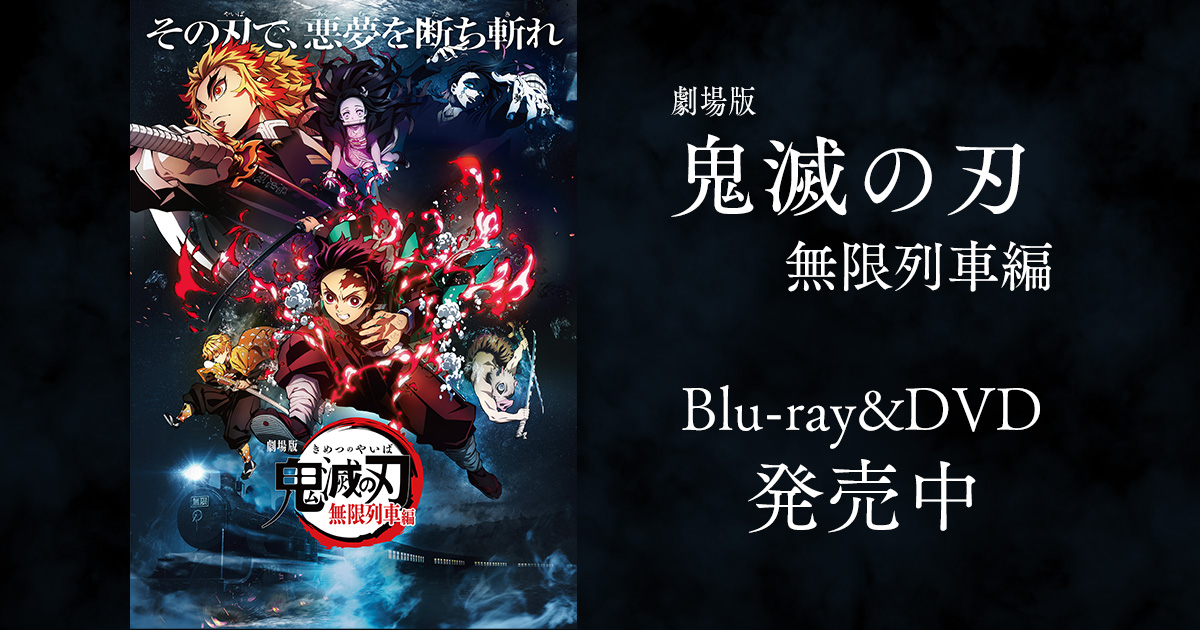
Demon Slayer: Kimetsu no Yaiba – Mugen Train Official Site
The 4K Ultra HD Blu-ray release of 'Demon Slayer: Kimetsu no Yaiba – Mugen Train' is now confirmed!
kimetsu.comHow We Prioritise Data
We lean on official publisher statements or specialist media final figures, using secondary sources for cross-checking. Domestic all-time rankings come chiefly from tracking outlets like Cinema Ranking Weekly (cinema業界動向), with anime-specific re-release notes and extras checked against "List of highest-grossing anime films in Japan"—that's the order. We cite sources at the end of each entry so you can trace any drift in the numbers.
Worldwide box office gets mentioned but stays secondary here. The reason's simple: this piece digs into domestic hits, and muddying that focus with overseas release timing and collection differences scatters the argument. Sticking to Japanese figures makes a film's true position much clearer.
One more crucial point: numbers are still moving for films in release or re-release. 2024 saw Detective Conan: The Million-Dollar Pentagram reach around 15.8 billion yen (approx. £80–90m), and Haikyu!! THE DUMPSTER BATTLE break 10 billion (approx. £50–55m), starkly showing the anime film market's recent muscle. Government economic data confirms domestic anime is now engine-room stuff. Rather than just chasing a "rank-locked" headline, reading whether a film is mid-run or already settled gets you closer to what's actually happening.
All-Time Rankings - Cinema Ranking Weekly
www.kogyotsushin.comReading Box Office: The Context Underneath
Box office and viewer numbers aren't identical. The average Japanese cinema ticket in 2023 cost ¥1,424, up from ¥1,340 in 2019. Roughly: the same audience yields bigger takings. Recent blockbusters, then, should be read as numbers from an era of higher per-ticket cost.
Add premium formats—IMAX, 4D—and the economics shift again. Immersive, high-priced screenings now draw choice-driven viewers, pushing per-person spend upwards. Event films like Demon Slayer and SLAM DUNK are doubly shaped by this: narrative pull plus "it's worth the theatre premium." That dual design gets baked into the box office, making figures a marker not just of popularity but of the crafted strength of the cinema experience itself.
Market conditions matter. Japan's 2023 cinema total was ¥222.18 billion, and anime's footprint is now enormous. With live-action films under pressure and streaming settling in, anime—a genre that builds "reasons to watch in cinemas"—has stayed formidable. Series films clustering at the top isn't just fandom; it's also execution: scripts and marketing designed to pack house openings.
From behind the scenes, I've noticed re-releases change the theatre air. A film that opened with core fans often brings families and "I watched it streaming, now let's do cinema" crowds when it returns. The same work, different showing, different atmosphere. Re-release figures aren't just add-ons; they're proof a film was rediscovered across generations.
That said, if number-first film picking doesn't click with you, sorting "what type of film suits me?" first—before rankings—cuts confusion faster. That's where beginning-friendly frame-work helps this article open up a lot.

TV Anime "Demon Slayer: Kimetsu no Yaiba" Official Site
The massively popular 'Demon Slayer' manga series—final volume 23 now in print!
kimetsu.comTop 20 Anime Films|Ordered by All-Time Domestic Box Office
#1: Demon Slayer: Kimetsu no Yaiba – Mugen Train (2020) — ¥40.43bn (standard) / ¥40.75bn (incl. re-release)
Domestic takings: ¥40.43 billion (source: distributor & box office agencies), or ¥40.75 billion with re-releases. The opening alone—first three days brought ¥4.623 billion and 3.42 million viewers—shows how instantly it became a phenomenon. The spell is in the blunt emotional hook of the opening act and how battle sound design punches through cinema speakers. Works for anyone who buys into family bonds and mentor-student ties. Ideally watch TV Season 1 first; full first-timer audiences risk missing emotional weight in relationships.
#2: Spirited Away (2001) — ¥30.4bn (standard) / ¥31.68bn (incl. re-releases)
Domestic takings: ¥30.4 billion at release (source: distributor), ¥31.68 billion when re-releases included. Its "stumbling into an unknown world" setup is pristine—friends I've watched it with stay hooked within minutes. Strength lies in a protagonist's confusion doubling as yours; the film never talks down. Suits fantasy lovers and group cinema outings. Zero prior knowledge needed; this is the definition of low-friction first-timer cinema.
#3: Your Name (2016) — ¥25.03bn
Domestic takings: ¥25.03 billion (source: box office agencies). The pairing of visual beauty with "I need to know what happens" tension is near-perfect. Theatres feel the difference—sky colour, city lights, music swell all hit different on the big screen. Fans of youth romance and smart SF. First-timers welcome; no series knowledge required. If you watch this one and understand why it was huge, you've grasped something essential about modern anime cinema.
#4: ONE PIECE FILM RED (2022) — Figure pending (verification ongoing; to be updated)
Released 2022. Domestic takings are top-tier, but we're holding numbers pending final confirmation. Its strength: it's a series film, yet the "live event" momentum is extraordinary. The moment music drops, temperature climbs. Access is broad enough that Straw Hat crew non-initiates follow the emotional core. Ideal for music and spectacle lovers. First-timers can manage, but knowing core crew dynamics deepens payoff.
#5: Howl's Moving Castle (2004) — Figure pending (verification ongoing; to be update)
Released 2004. All-time-top-tier Ghibli, but figure pending final audit. Its appeal: the castle itself is the visual hook, but the real magic is how character distance shifts—romance and humour in gorgeous mix. First-time viewers leave wanting to live in that world. The screen density invites you in rather than explaining outward. Romance-fantasy and whimsical odd worlds. First-timers fine; a touch abstract visually, but you feel your way through.
#6: THE FIRST SLAM DUNK (2022–2023) — ¥16.67bn
Domestic takings: ¥16.67 billion with re-releases (source: distributors), ¥15.73 billion before. The film doesn't ride heat alone—it renders the silence between moves, the locked eyes, as drama. Sound design is surgical; cinema amps the tension. Basketball lovers, suspense addicts. Works for newcomers via sheer film craft, though knowing team history deepens it.
#7: Detective Conan: The Million-Dollar Pentagram (2024) — ~¥15.8bn
Released 2024; reached ~¥15.8 billion. Puzzle pacing and character placement are elegant—a series film that doesn't abandon newcomers at the gates. Watched it with a friend unfamiliar with the franchise; the "who to watch" clarity was instant. Mystery and action on the light side. First-timers cope fine, but Kid and Hattori context lifts the subtext.
#8: Ponyo on the Cliff by the Sea (2008) — Figure pending (verification ongoing; to be updated)
Released 2008. Top-tier Ghibli, number pending. Its pull: "cute" and "fun" arrive before plot logic—deliberately. Water rendering and hand-drawn softness bloom on big screens in a way home release can't match. Families work; plot-light experience-seekers work. Zero homework needed. Reaches across ages because it doesn't demand much; it just is.
#9: Suzume (2022) — Figure pending (verification ongoing; to be updated)
Released 2022. Top-tier box office, number pending final count. Its trick: road-movie drift paired with catastrophe-as-background texture. Cinema brings out the generous negative space and the weight of the score. New Shinkai for people drawn to Japan-crossing journeys. First-timers welcome; series knowledge optional. Less romance-fixated than Your Name, so works for adventure-first viewers too.
#10: Weathering With You (2019) — Figure pending (verification ongoing; to be updated)
Released 2019. Top-tier all-timer, number holding pending. Cloud-craft and rain-as-emotion is the core: storm systems don't sit in background, they are the drama. Watched it with someone fresh to Shinkai; the "this sky feeling" response came before plot absorbed them. Visual lead. First-timers clean; Your Name hits clearer beat-by-beat, but this one's cinema muscle is no weaker.

Film "Your Name" Official Site
Director Makoto Shinkai's latest 'Your Name.' releases nationwide August 2016. Voice cast: Ryunosuke Kamiki, Mone Kamishiraishi. Character design: Masago Tanaka. Animation director: Masashi Ando. Two people who can never meet. A boy and girl's miraculous story now begins.
www.kiminona.com#11: Detective Conan: The Black Iron Submarine (2023) — Figure pending (verification ongoing; to be updated)
Released 2023. Top-tier Conan entry, number pending. The balance is tight: thriller edge meets series-character payoff at high density. Opening exposition is taut. First-timers track "what's in danger" easily; fandom catches the deeper cross-cuts. Thriller-leaning Conan for you. Newcomers okay, but knowing the Black Organization and Shiho's place thickens stakes.
#12: Princess Mononoke (1997) — Distribution-era accounting; compare with caution
Released 1997, when distribution revenue dominated reporting. That metric gap makes post-2000 comparison rough—not because the film underperforms, but because the baseline changed. Weight and atmosphere of the opening salvo remains palpable. First-timers often report being overrun by the air before plot settles. Heavy fantasy for heavy-theme lovers. First-timer compatible, though "light adventure" expectations will clash.
#13: Evangelion 3.0+1.0 Thrice Upon a Time (2021) — Figure pending (verification ongoing; to be updated)
Released 2021. All-time top-tier, number pending. It works as a series-ending capstone—dense with payload—yet cinema sound and image deliver emotional landing, not just recap. Quiet scenes hit hard; ruptures devastate. Thoughtful SF and completed-saga devotion. Newcomers: possible, not recommended. Three rebuild films prior make intent readable; without them, density overwhelms.
#14: Jujutsu Kaisen 0 (2021) — Figure pending (verification ongoing; to be updated)
Released 2021. Top-tier, number pending. Prequel strength: complete film arc despite series placement. Hook at the open is strong; protagonist position lands early even for unprimed viewers. Opening emotion pulls hard, then battle wraps it. Dark fantasy and power combat. First-timers manage; TV series unseen still let you track the thread. Anime-newness jargon exists but doesn't derail.
#15: The Wind Rises (2013) — Figure pending (verification ongoing; to be updated)
Released 2013. All-time top-tier, number pending. Its draw: watching someone's need to build accumulate quietly. Not adventure—obsession. Theatres capture wind-as-sound and machine-tone texture family viewing can't. Adult-aimed anime for adult interests. First-timers welcome but expect less spectacle, more craft-as-subject. Kids expecting arc thrills will feel the slowness.
#16: The Borrower Arrietty (2010) — Figure pending (verification ongoing; to be updated)
Released 2010. Top-tier slot, number pending. Reframing a home through small-scale eyes means rediscovery. A desk becomes Everest. Intro lands soft; family-watch groups flow in easy. Understated fantasy and lived-in worlds. First-timers clean; quieter Ghibli—suits texture-over-spectacle appetites more.
#17: STAND BY ME Doraemon (2014) — Figure pending (verification ongoing; to be updated)
Released 2014. Top-tier, number pending. A national mascot and its best-loved episode in 3D CGI—emotion as the through-line, not novelty. Cinema brings facial-acting muscle. Families and "gentle cry" seekers. First-timers work; Doraemon–Nobita baseline love is built-in. Series detail: light lift.
#18: ONE PIECE FILM Z / STAMPEDE / STRONG WORLD (one likely from this tier) — Figure pending (verification ongoing; to be updated)
This bracket likely holds one from ONE PIECE FILM Z, STAMPEDE, or STRONG WORLD, though confirmation pending. One Piece cinema strength: it's not just fan reward—it's the feeling of a crew-full move, scaled to theatre. Newcomers grab action payoff even if relationship depth sits elsewhere. Adventure and ensemble spark. First-timers possible; knowing Straw Hat crew roles upgrades satisfaction noticeably.

ONE PIECE FILM Z Product List | TAMASHII WEB
BANDAI SPIRITS Co., Ltd.
tamashiiweb.com#19: Haikyu!! THE DUMPSTER BATTLE (2024) — ¥10bn+
Released 2024; broke ¥10 billion. The breakthrough: volleyball isn't stage-dressing; it's rhythm and breath—the accumulation of sight lines, exhales, position reads becomes drama. Theatre catches the ball-sound against dead air; tension notches up per volley. Sports-anime devotion and rally build-up addiction. First-timers feel match heat solo; character depth comes from TV series prep, though the match itself transmits regardless.
#20: Contenders Near the Mark
This zone reshuffles easily by counting choice and re-release timing—not a fixed #20 but a neighbourhood of contenders. Series tail-end climbs and revival top-ups shift order constantly. Reading "who do I pitch this to?" beats pure math here. Newcomers lean Ghibli or Shinkai; fan-saturated plays favour Conan, One Piece, Jump adaptations. Premium format resonance versus home-watch narrative-completeness becomes your axis.
What All-Time Rankings Reveal About Anime Film Hits
Ghibli as a Long-Playing Asset
The first obvious fact: Studio Ghibli films don't just spike—they stack as long-term assets. Spirited Away sits at ¥30.4 billion standard, ¥31.68 billion with revivals. Films that keep collecting viewers across generations don't come often.
That longevity comes from two things: family-friendly entry and rerewatch elasticity. Kids grab it as adventure; adults find labour, growth, loss, empathy in the texture. The "one-and-done" structure breaks. TV airings and streaming create new touch points; revivals pull people back. The depth available at different ages fuels word-of-mouth on second runs.
In practice, Ghibli re-releases carry a different crowd. Initial runs: hardcore fans. Revivals: families, "I streamed it, now theatre," mixed-age groups. The theatre dark and big screen bring out art direction and spacing detail that home viewing flattens. A familiar film feels fresh. That refresh triggers new conversation—multiplied re-releases hit box office again. Ghibli's top-ranking cluster isn't brand alone; it's repeat-view architecture built into the work itself.
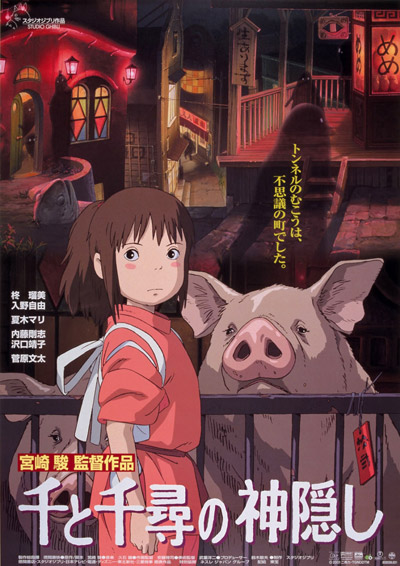
Spirited Away - Studio Ghibli|STUDIO GHIBLI
Spirited Away. Original story, screenplay, director: Hayao Miyazaki. Producer: Toshio Suzuki. Music: Joe Hisaishi. Theme song: Yumi Kimura. Voice cast: Rumi Hiiragi · Irino Miyu · Natsumi Yumi · Etsushi Naito
www.ghibli.jpShinkai's Reach and the Gateway Question
Shinkai's trajectory shows where original anime can arrive. Your Name at ¥25.03 billion marks a threshold: past that point, Shinkai stopped being "anime fan property" and became "the film everyone should see."
The hook isn't cerebral—it's entry width. Youth flutter and romantic close-miss, layered with civilization anxiety and stunning visuals. That combination lets romantics, disaster-curious audiences, and visual-experience hunters all watch the same film. Ghibli offers "cross-generational family safety"; Shinkai offers "modern ease and relatability"—different markets, same spot on the chart.
Crucially: no source material tax. Newbies arrive with zero baggage. The explainability is exceptional—"two people swap bodies and the world is ending" sells itself. That narrative handing-off speed makes Shinkai films mouths-to-ear efficient. It's not that Your Name is "better"—it's that the fandom tells each other why in one sentence. Numbers follow word-of-mouth velocity.
The Jump/IP Detonation
Most explosive force now comes from Jump-origin franchises. Demon Slayer: Kimetsu no Yaiba – Mugen Train hit ¥40.43 billion standard alone, first three days ¥4.623 billion and 3.42 million viewers—an "can't miss" event from day one, not a slow-burn hit.
Series IP's power: pre-warmed audiences. TV and manga already stacked relationships. Theatre cuts exposition; pays off instead. Jump specifically builds friendship, rivalry, growth, ultimate-move catharsis—clean pleasure that big screens amplify. Mugen Train's insane opening shows the pattern at full blast.
But series hits aren't monolithic. Detective Conan (annual release + fandom bedrock) = ¥15.8 billion (2024), ¥10bn+ (2023), clockwork. New character focus and mystery angle prevent wearout—repeat customers stay fed. Haikyu!! THE DUMPSTER BATTLE broke ¥10 billion—fan heat turned visible. Series understanding deepens satisfaction, yet match tension alone is visceral, so newcomers get a ride. That "fanbase foundation, general public stack" pattern is where modern anime box office lives.
Re-Release, Per-Ticket Cost, and Sensory Amplification
Reading the numbers requires seeing re-release tail-adds, ticket inflation, and how cinema format multiplies impact. Spirited Away: +¥1.28 billion with revivals. THE FIRST SLAM DUNK: ¥15.73 billion → ¥16.67 billion via return run. Hits don't end—they resurface.
THE FIRST SLAM DUNK proved sports films marry cinema perfectly. Court sound, floor impact, rib tension, an auditorium holding its breath—sensory weight doesn't stream home. Haikyu!! confirms: packed theatres where focus locks in unison deepen immersion. That collective breath becomes word-of-mouth momentum.
💡 Tip
Modern anime blockbusters hinge on "why watch in cinema?" as much as plot. Battle, concert, sport, apocalypse—formats where sound and image density matter—hit the hardest. Multiplied experience gets baked into takings as event proof.
Whole market context: Japan 2023 cinema ¥222.18 billion; anime's footprint immense. Average ticket up ¥84 (2019–2023); premium IMAX/4D tier normalised—per-person spend climbs. But ticket price alone doesn't make hits. It takes film-as-spectacle (sound, visuals, scale), re-watch support, and theatre-specific payoff together. That trifecta seats titles at the top. For "make me cry" starters, see our piece on tearful anime essentials and emotional throughline picks—same principle applies.
Series Films vs. Originals—What Should You Watch First?
Original Films as No-Brainer Entry
One frame: zero-baggage newcomers rarely misfire with originals. Ghibli and Shinkai structure character and world for same-sitting comprehension. Friends I've screened these with land in the first 10 minutes. Originals set rules and emotional direction cleanly, so unseasoned viewers don't drop out confused.
Examples: Spirited Away, Howl's Moving Castle, Ponyo on the Cliff by the Sea, Your Name, Suzume. None demand "what did I miss?"—the film feeds you what you need. That's not simplicity; it's smart information design. You don't think "what comes next?" as much as you think "what will come next?"
Box office backs this: Spirited Away ¥31.68bn (revival-inclusive), Your Name ¥25.03bn—no franchise scaffolding, just breadth. Family trips, date-nights, "culturally literate person sees this," solo rewatches—entry shapes are numerous. Originals permit that variance.
Series Films and Intensity
Opposite angle: **if you want to taste fandom heat, series films win**. The TV or manga emotional build lands in the theatre as impact. Demon Slayer: Kimetsu no Yaiba – Mugen Train worked because watchers already loved Tanjiro; the film just cracked him open. That pre-stored feeling detonates bigger than cold-open backstory ever could.
Watch the split, though: some series films work as standalone cinema even if you're green. Detective Conan solves a crime—mystery-engine carries first-timers. Haikyu!! stages a match—sports tension transmits directly. Others, like THE FIRST SLAM DUNK, hybrid: character beats run deeper if you know the crew, yet the match-film strength is architectural—you feel it anyway.
Demon Slayer sits harder on the series end: plot is climax, not exposition. Understanding why Tanjiro fights (family, promise, sister's demonic state) is half the movie. TV prep pays obvious dividends. Same with Jujutsu Kaisen 0—works solo as a training-arc film, but series context thickens the stakes.
So: series films range from "possible newcomer" to "really should prep." Conan → moderate prep. Sports (SLAM DUNK, Haikyu!!) → moderate prep, high cinema grip. Demon Slayer, Jujutsu Kaisen → hefty prep advantage. Scout the film-to-series ratio before committing.
Quick Decision Frame
Narrow it down:
- Can you follow character links without prep?
- How essential is background knowledge?
- Does format (IMAX/standard) matter to you?
- Who are you watching with (age/fandom)?
First two are series-film gates. Love-letter plots or relationship arcs (Demon Slayer, Haikyu!!) → prep TV. Standalone arcs or mystery-structures (Conan, Jujutsu Kaisen 0) → lighter prep. Third: spectacle-films (sports, battle, disaster) marry premium formats well; that said, entry fit beats format polish every time. Missed plot kills immersion harder than standard audio does.
Fourth: watching siblings or mixed-fandom groups? Originals keep everyone's entry equal. Series films risk someone dropping behind.
Simplest path: originals first (one pick, clean entry), then series based on curiosity. Original teaches you "how anime cinema works," then series teaches you "what fandom intensity feels like." This sequence lightens the load most.
💡 Tip
Stuck? Use "does the first 10 minutes hook me without explanation?" as your filter. Originals score nearly always. Series films depend on how front-loaded their emotional stakes are.
What Numbers Can't Catch (Gems Beyond the Rankings)
Why "Hit" Doesn't Equal "Everything"
Box office is a strong entry point—hit films carry signals about breadth and craft. Jumping into the top 20 is rational. But if you read those figures as absolute worth, you'll miss.
Revenue mixes: release timing, marketing spend, theatre count, series heft, re-release scheduling. Spirited Away's 304–316.8bn yen spread shows the same film in two counts. THE FIRST SLAM DUNK ¥15.73bn → ¥16.67bn—collection method shifts appearance. Numbers don't lie, but they don't tell the whole truth either.
That's why personal taste becomes the next axis. Want full emotional break? Find films with escalating beats. Want visual immersion? Hunt films that live in silence and space. Want formal experiment? Seek avant-garde runs. Numbers bury these preferences.
Personally, I've sat in small late-night theatrical runs and felt a film's quiet interior way deeper than a packed Friday premiere of a blockbuster. No hype, just you and the frame. That's where some work roots hardest. Short films get buried by runtime—twenty minutes, tiny release—yet can pack hour-long narrative density. Cult classics never hit Top 20 takings but rewired how people see anime.
Finding the Long Tail
This article's 20 are foundation blocks. Hit the top works, and Ghibli's hold-forever appeal, Shinkai's visual magnetic pull, and original-IP event structure become legible. That map is useful; then you leave it.
Branching out by mood or type is the move. Double-down on "what makes me cry?" and wander the tearful anime channels. Hunt quiet worlds. Chase formal boldness. Big-hit literacy opens the door; taste takes you deeper.
Short-film excellence is where this surfaces hardest. Economy of time forces every cut to mean. A 15-minute piece can gut you harder than a feature's exposition can build. Our short-form
Related Articles
Найкращі Аніме в жанрі Наукова фантастика | 9 Шедеврів про Близьке Майбутнє та Космос
Найкращі Аніме в жанрі Наукова фантастика | 9 Шедеврів про Близьке Майбутнє та Космос
12 Найкращих Коротких Аніме, Що Варті Вашого Часу | Компактні Шедеври в Одному Курі або Менше
12 Найкращих Коротких Аніме, Що Варті Вашого Часу | Компактні Шедеври в Одному Курі або Менше
12 найкращих аніме в жанрі «повсякденність» | Обирай за настроєм
12 найкращих аніме в жанрі «повсякденність» | Обирай за настроєм
12 Аніме, Від Яких Хочеться Плакати | Порівняльний Гід