
Anime Pilgrimage Etiquette and Packing List
Anime Pilgrimage Etiquette and Packing List
Visiting anime filming locations in Japan offers the unique appeal of experiencing a work's atmosphere in person. However, the etiquette and gear you'll need varies depending on whether you're in a residential neighborhood, at a shrine, or in a commercial facility.
Visiting anime filming locations in Japan offers the unique appeal of experiencing a work's atmosphere in person. However, the etiquette and gear you'll need varies depending on whether you're in a residential neighborhood, at a shrine, or in a commercial facility.
This guide breaks down five different settings—residential areas, schools, shrines and temples, commercial facilities, and public spaces—organizing the behaviors to avoid and useful items for each. Whether you're making your first pilgrimage or looking to travel light with just what you need, this article covers both bases.
From personal experience, when I visited both a shrine and a shopping street on the same day, I learned that traveling light and having both digital payment and cash options made navigation much smoother. Etiquette isn't something you force through willpower; it naturally follows when you prepare appropriately for each location.
Essential Anime Pilgrimage Etiquette to Know First
Why anime pilgrimage differs from ordinary tourism
Anime pilgrimage isn't just sightseeing. It's about overlaying a scene from a work onto a real location and experiencing the atmosphere and spatial relationships. Because of this heightened emotional engagement, visitors' energy levels tend to run high. But the locations themselves aren't always "viewing stages." Residential streets have people living there. Shrines have believers praying. Commercial facilities have ongoing business. Recognizing this difference reveals what pilgrimage behavior should look like.
For example, simply stopping to chat on a narrow residential street blocks residents' daily routines. When I visit street-focused locations, I notice that even just shifting where I check my map makes the atmosphere feel quite different. Instead of standing in front of a gate or house to view my phone, I open my maps in a position that doesn't impede foot traffic. That small consideration transforms a visit from "troublesome visitors" to "thoughtful guests."
The same principle applies to photography. The urge to recreate iconic scenes is natural, but in areas showing private homes or pedestrians, more caution is warranted than typical tourism. Sites like "~ seichi-meguru kara no onegai ~" (A Request from Those Who Visit Sacred Sites) organize the key considerations for residential areas, schools, shrines, and commercial facilities. Anime pilgrimage isn't "anything goes because we love the work"—it's "we must be especially thoughtful precisely because we love the work."
~ seichi-meguru kara no onegai ~ | Sacred Site Pilgrimage Map
old.seichimap.jpBuilding a positive relationship between communities, works, and fans
The expansion of anime pilgrimage has roots in not just the work's popularity, but in communities' willingness to welcome visitors. The fact that the Japan Anime Tourism Association publishes "88 Recommended Anime Sacred Sites in Japan" annually since 2018 itself demonstrates the growing connection between regions and fans. Sacred sites are becoming established as places where culture and tourism intersect, not just fleeting trends.
When this relationship works smoothly, communities gain visitors, works develop long-term appreciation channels, and fans retain special experiences from their visits. The KADOKAWA Anime Tourism initiatives show how regional partnerships amplify a work's appeal. In other words, anime pilgrimage isn't just entertainment for fans—it's an activity where communities, works, and fans all gain benefits.
This cycle only continues with thoughtfulness. Loud voices, unauthorized photography, ignoring restricted areas, lingering long in front of operating businesses—such behaviors quickly kill welcoming attitudes. Conversely, walking quietly, making purchases, and respecting local rules builds an atmosphere of "please come again." Preserving the environment for future visitors is itself part of pilgrimage etiquette.
That said, deepening your interest in the work itself before visiting sharpens the pilgrimage experience. If you're looking to start with new anime discoveries, reading introductory guides helps you see more at the actual sites.
AT協会ロゴカラーR付き_キャッチ付.jpg)
About the Selection of "88 Recommended Anime Sacred Sites in Japan" 2025 Edition | animetourism88
We are grateful for your continued support. The Japan Anime Tourism Association announces world-famous anime sacred sites annually.
animetourism88.comFive core etiquette principles
Etiquette is easier to practice by remembering key principles rather than memorizing detailed rules. These five points are especially critical for anime pilgrimage:
- Take your trash with you
Leaving drink containers on benches, in landscaping, or parking lot corners is unacceptable. Even at unfamiliar locations, keeping the area clean is fundamental. Including packaging and receipts from convenience stores, anything you create should be handled by you. This attitude shapes how the community views pilgrims.
- Keep noise levels down
The excitement of recreating scenes in-work tends to raise voices. But in residential areas and near schools, that enthusiasm becomes noise. Avoid lingering conversations on narrow streets or sharing reactions loudly. When visiting with others, simply lowering conversational tone by one notch significantly reduces the pressure on surroundings.
- Respect off-limits areas
Don't enter inside fences, private land, school grounds, or areas marked "no entry." Even if a location appears in the work, clear distinctions exist between where entry is permitted and where it isn't. The desire to see something up close or capture the same angle must yield to local rules.
- Avoid very early morning and late night
While quiet hours seem ideal for photography, in residential areas that's precisely when impact on daily life is greatest. Footsteps and voices carry farther during silent times. Noise that blends into daytime activity becomes intrusive at other hours. Keep this sense in mind.
- Show respect for local culture
Shrines are places of worship first, shopping streets are places of daily commerce first. A location's underlying purpose doesn't fade because it's a sacred site. Respecting the land's history and use, beyond just viewing it as a work's backdrop, elevates your pilgrimage quality.
💡 Tip
When uncertain, ask yourself: "Is this also someone's home, prayer space, or workplace?" The feeling that you're "borrowing this location to enjoy" naturally refines your behavior.
Location-Specific Anime Pilgrimage Etiquette
Residential neighborhoods: Prioritize quiet and private home consideration
In residential sacred sites, the most important mindset is seeing the area first as someone's living space, not as a work's backdrop. As excitement about recreating scenes narrows your focus, "being thoughtful about photographing private homes" should guide you. Home exteriors, name plates, car license plates, laundry, gardens—these reveal people's actual lives, so without permission, keep them out of frame. Photography from public roads or with resident consent is different, but generally it's safest to either obtain permission beforehand or clearly decide not to share photos of such content.
On narrow streets, where you wait matters more than where you photograph. Standing in front of a corner, gate, or parking entrance blocks foot traffic. Confirm composition from a wider area, keep shooting brief. For social media, avoid photos where location details and surrounding landmarks reveal the exact spot too clearly.
Schools: Respect student and guardian foot traffic and privacy
Schools require even more caution than residential areas—this isn't a place where visitor convenience comes first. Even if gates or buildings are photogenic sacred sites, students, staff, and guardians navigate their daily routines there. Therefore, not obstructing student and guardian movement and protecting privacy are absolute priorities. Gathering at gates during commute times, photographing in wait-and-see fashion, capturing photos with uniformed students—these should all be avoided.
Even surrounding streets need attention. While you might want to shoot from a location matching the scene, lingering long on a school route creates pressure on passersby. If photographing, do it during off-peak hours and keep it brief. Even here, early mornings and late nights aren't ideal—schools sit in residential areas where quiet times actually stand out more. Unfamiliar equipment or suspicious-looking movements can make neighbors uneasy. Keep equipment minimal and don't extend your stay. You're showing work appreciation, but you're an outsider—maintaining this mindset is essential.
Shrines and temples: Worship comes first; follow posted rules
At shrines and temples, proper worship behavior takes priority before sacred site tourism. These are places of prayer and faith first. So the sequence matters: pay respects first. Before the urge to photograph kicks in, let the space's atmosphere guide you. When I visit shrine settings, making an offering at the altar before walking the grounds helps me feel grounded, and photos naturally wrap up quickly.
Photography strictly follows posted rules. Areas around main halls and prayer spaces, indoors, and during rituals require special care. Obviously respect "no photography" signs, but even without them, avoid aiming cameras at prayer queues or people in contemplation. The key concern is maintaining the rhythm of worship—stopping the flow of the sacred space itself becomes disrespectful.
Visiting during quieter times helps. Popular sites tempt you to wait for solitude, but lingering in the center disturbs the space more than shooting during calm periods. When you find a scene matching the work, take a step back and prioritize the location's natural rhythm over capturing the perfect shot.
💡 Tip
At shrines and temples, matching your position and timing to "people quietly worshipping" rather than "people photographing" naturally creates proper positioning and duration.
Commercial facilities: Confirm interior photography rules; don't block registers or aisles
At commercial facilities, maintaining flow matters differently than residential or sacred sites. What's prioritized is business operations and regular customer experience. Shooting inside stores or food courts requires prior permission confirmation. You might photograph exteriors freely but not interiors, or common areas might be okay but shop fronts off-limits—rules vary by location.
To avoid disrupting business, don't stand in front of registers, product shelves, or walkway centers. When absorbed in scene recreation, thirty seconds feels brief to you but blocks customers significantly. During busy hours especially, standing with phone in hand checking composition becomes an obstacle. Better to shoot during traffic lulls and review in edge spaces.
Locations involving food or retail become awkward if you photograph without purchasing. Commercial spaces are both "places to look at" and "places to transact," so whether pilgrims are welcomed often hinges on whether business is disrupted. Experiencing the work while using the location's services creates better atmosphere.
Public facilities: Prioritize user foot traffic; follow posted instructions
In stations, libraries, civic centers, government offices, etc., regular users' movement comes first—not tourists alone use these spaces. Staff, people conducting business, parents waiting for pickups, those changing trains all keep using these locations. Standing before stairs, near gates, or at information desks for photography or waiting creates pressure. Spots closest to iconic scenes often sit at circulation bottlenecks, requiring particular attention.
Public facilities make rules visible. Signs, floor markers, ropes, and announcements are highest-priority information for those spaces. Beyond photography permissions, wait locations, traffic direction, and temporary closures all demand respect. Event days or crowded times make shooting harder, but that's natural for spaces prioritizing regular use.
Photos you post from public facilities have special considerations. Visitor faces, signage details, and precise location information together tell a larger story than the image alone. Works that resonate in those spaces tempt sharing, but remember you're cutting a "space in active use"—that awareness shapes how you frame and share.
Photography and Social Media Posting Considerations
Pre-shooting checklist
Before photographing, first check posted rules. "No photography," "no tripods," "no video," or varying indoor/outdoor restrictions differ by location. The more iconic the location to the work, the more momentum builds—but posted rules set the standard. When unsure, asking staff takes less time than lingering and preserves the atmosphere better.
Especially at commercial and public spaces, lines are fine-grained: "exteriors allowed but interiors restricted," "common areas yes but shop fronts no." The timing and method of shooting matters greatly. When I want to avoid capturing people's faces, I often adjust the angle rather than insisting on frontal composition. This simple shift reduces unwanted backgrounds and shortens waiting time. Matching the work matters, but "achievable in reasonable time without pushing" beats "perfect recreation."

【2024年】Anime Works' Sacred Sites: 48 Recommended Pilgrimage Spots - Tabist Magazine
This article introduces 48 pilgrimage spots nationwide featuring anime scenes. Discover both the works' appeal and the locations' tourism charm.
magazine.tabist.co.jpManaging photo content and location information
What's easily overlooked in-location is information captured in photos themselves. Beyond people's faces, home name plates, car license plates, mailboxes, laundry, and visible school names carry far more power when posted than noticed in person. Even if you frame out entire buildings, doorways or parking spaces reveal lived-in feeling. Remove such elements at composition stage, or blur them if necessary.
Location tags carry similar weight. Even when image text shows only scenery, metadata or location features can lead people to specific private homes or alleys. Near residential or school areas, avoid pinpointing exact locations. Works don't require precise coordinates to convey atmosphere.
💡 Tip
Avoiding people and homes works best by narrowing backgrounds to one element—walls, plants, sky, ground. This focuses composition and reduces editing work afterward.
Pilgrimage Content Creation: Tips and Featured Examples
www.trans.co.jpScene-matching overlay posts need special care
"Scene matching"—displaying a work's moment on your phone and overlaying it on real location photography—shows pilgrimage appeal. But when posting that image, additional considerations arise beyond scenery-only photos. You're essentially using work images or screenshots without permission. Rights processing becomes relevant.
Such posts carry copyright implications. Whether posting scene overlays is legally straightforward varies, requiring careful judgment of each rights holder's stance and facility policy. At minimum, don't assume work stills are freely usable.
Higher recreation enthusiasm pulls focus toward the work over the real location. Instead, using composition and timing to match the work's mood without literally overlaying images keeps it simpler and more respectful. Appreciation shows not just in pixel-perfect recreation but in how you present both the work and the location thoughtfully.
"Rights Processing" Help Desk VOL.14 "Is it OK to post overlay-composition photos to social media?" - LOCATION JAPAN.net
locationjapan.netAnime Pilgrimage Packing List: Essential, Convenient, and Seasonal
Essential items
Pilgrimage packing benefits from narrowing to indispensable items over expanding. Core items cluster around: smartphone, charging, payment methods, walking comfort, weather protection.
Smartphone is central—maps, time checking, photography, local info all compress into one device. Especially in unfamiliar areas, instant location confirmation saves tremendous time. Rather than replacing paper maps, smartphones let you "recover from getting lost instantly," which matters hugely for pilgrimages.
This makes chargers and power banks critically important. Day-long pilgrimages average 6-8 hours of walking, but battery drain varies with device, battery age, screen brightness, and photo frequency. A 10,000mAh bank often suffices, but 15,000mAh or planning for mid-route charging is recommended when you can't charge en route. Including the actual cable ranks as essential—many forget cables entirely.
Payment logistics—wallet, cash, IC cards—deserve grouped consideration. Urban areas flow smoothly with IC cards or digital payment, but rural areas still rely on cash. Shrine gift shops, small vendors, local transport often require cash. Adding ID prevents hassles if problems arise.
Drinking water and comfortable shoes carry outsized impact on comfort. Pilgrimages involve station walks, detours, then onward travel—unexpected total distances. Work immersion makes walking distance feel shorter. Pack drinks beforehand; rural areas have longer gaps between vending machines. Shoes matter more than aesthetics—broken-in sneakers beat new stylish shoes for pilgrimage.
Rain gear deserves permanent inclusion in your packing. Small lightweight umbrellas plus thin rainwear let you choose the right tool for conditions. A few grams of weight prevents significant disruption when weather turns.
One often-missed essential: plastic bags. They temporarily hold packaging and bottles while serving other purposes—wet towels separate from dry items. Lightweight yet multipurpose.
💡 Tip
Rural pilgrimages require heavier rain and drink gear; next supply stops are far. Urban pilgrimages reward light, mobile packing since restocking is easy.
Convenient additions
Beyond essentials, small items dramatically reduce fatigue and awkwardness on long walking days. Items addressing sweat, cleanup, hunger, and storage prove most useful.
Towels and wetting wipes address sweating, rain, seat cleanliness, and post-meal hand cleaning. Towels work for perspiration, equipment care, and multiple purposes. Wetting wipes handle hand-washing when sinks aren't available. Unglamorous but excellent enablers of smooth pilgrimage pacing.
Long walking days benefit from light snacks. Sacred sites often lack nearby food options, and available restaurants may have timing issues. Quick-eat options maintain movement rhythm. Continuing on empty gradually erodes the capacity to appreciate atmosphere.
First aid basics—headache medicine, stomach relief, bandages—provide insurance. Pilgrimage involves significant movement; small health issues should prevent continued walking.
Packing solutions like collapsible bags or shoulder bags prove essential when purchases accumulate. Amulets, goods, pamphlets add bulk your original packing didn't account for. A second bag adds carrying capacity when needed. For rural sites, shoulder bags suit foot traffic; urban areas favor light backpacks for weight distribution on long days.
Focused photography days benefit from spare SD cards and charging cables. Camera use adds minor items that are easy to forget until needed. Secondary cables stabilize power bank operation.
Seasonal and weather adjustments
Equipment varies by season since different seasons require different preparations. Proper season-appropriate gear lets you appreciate scenery rather than struggle with conditions.
Summer requires parasols, hats, cooling towels. Extended asphalt walking drains energy before scenery appreciation happens. Hats keep hands free; parasols significantly change wait experience. Cooling towels reduce neck strain. Heat management isn't tolerance—it's maintaining pilgrimage concentration.
Winter needs gloves, neck warmers, hand warmers. Early and late travel gets cold; evening waits chill further. Gloves reduce needing bare hands for phone use. Neck warmers compress well while warming effectively. Hand warmers minimize walking fatigue. Slight additions dramatically reduce endurance tax.
Rainy days benefit from rainwear and waterproof phone cases. Umbrellas alone require hand coordination. Thin rainwear enables two-handed walking. Phone waterproof cases let maps and photography continue during rain. Weather shifts justify equipment switches.
Rural pilgrimages amplify seasonal importance. Fewer shelter and restocking options make weather gear critical. Urban sites tolerate lighter packing since shops and stations offer refuge.
Outfit Choices and Route Planning Strategies
Basic outfit principles
Anime pilgrimage outfits should prioritize walking completion over photogenic appearance. Shoe choice is most critical. Impressive photos happen in comfortable feet, not fresh footwear. Broken-in sneakers prevent foot pain that reduces pilgrimage density.
Clothes work best when mobile and versatile. A single day spans residential streets, shrines, shops, stations—varied locations need outfit flexibility. Crouching for angles, climbing stairs, boarding transit—restricted clothing undermines experience. Layering for temperature adjustment beats single fixed outfits. Uncertain forecast days suit layered, removable pieces over committed looks.
Outfit adjustments for weather matter. Cool mornings might warm midday, or reverse. Light layers and packable rain gear maintain rhythm shifts. Extra weight seems trivial until discomfort focuses attention on gear instead of atmosphere.
One key insight: Mobile capability beats camera array in urban street pilgrimages. Photography duration is smaller than discovery time. Heavy equipment loads reduce which locations you reach. Lighter complete pilgrimage beats partial one with better shots.
Time allocation and transportation selection
Pilgrimage success comes from not overpacking rather than including everything. '88 Recommended Anime Sacred Sites: Complete Practical Guide' frames 6-8 hours daily and 30 minutes to 1 hour per location as working targets. This rhythm absorbs photography, walking, breaks, and detours.
Quick site turnovers create rushed visits—confirm composition, photograph, leave. Overlong stays compress later journeys. 30-60 minutes lets you sense a location's atmosphere beyond visual checklist. Works as a "checkpoint" never penetrates like sites where timing lets atmosphere sink in.
Urban areas work well routing by station with walking between spots. Train covers major distances; local walking connects nearby spots. This creates readable flow while preserving street continuity. Crowding transfers and over-scheduling compress both itinerary and mindfulness. Planning meal time as fixed slots rather than "squeeze in if time permits" protects recovery and memory.
Planning transport methods overnight—public transit or car—beats day-of decisions. Train connections, first/last departures, parking visibility—knowing these prevents on-site stalling. Unreliable communication in some areas justifies phone screenshots of maps. The next move clarity matters more than perfect work image documentation. Locals may know faster routes than apps show.
【Keeper Edition】What is Anime Pilgrimage? 2025 Complete Guide|Meaning, Method, Packing, Cautions
Everything anime fans should know about "pilgrimage." From meaning and origin through actual startup, packing, and enjoyment strategies—explained for complete beginners.
japananimetour.comRural and suburban pilgrimage preparation points
Rural pilgrimages differ from urban packing assumptions. Bus frequency, taxi availability, rental bike options—understanding movement entirely changes planning. Reachability uncertainty creates anxiety; route clarity removes it.
Rural sites differ on efficiency of public transit versus driving. Distant locations with heavy leg distances or scattered point sites favor car mobility. Concentrated walkable districts with charm suit transit plus pedestrian routing. Success comes from matching "dotted" (point) versus "lined" (connected) geography to transportation.
Rural outfits shift emphasis further. Fewer break-spot options raise weather adaptation priority. Proven shoes, versatile clothes, cardigans, rain protection—basics become reliability. Urban gaps you can skip become rural trip-breaking issues. "Gut out cold for one more station" works differently when that next stop is two hours away.
Pre-Departure Checklist
Finalizing locations and time
Begin by reducing 3-5 location candidates to your actual pilgrimage. Including everything turns navigation into the experience. Blending location types—iconic scene spot, atmosphere-rich place, meal/rest location—creates experience rather than "completion task." When choosing routes, cluster nearby locations into contiguous blocks. This absorbs delays while preserving revisit possibility.
Separate "absolutely essential" from "visit if time permits" mentally. Schedule flexibility prevents mood collapse when transit delays hit. Pilgrimages where you skip something often feel better than rushed completions. Pre-booking meal timing protects both energy and memory.
Including local business spending naturally in planning—in food, goods, transportation—aligns with regional partnership principles. Budgeting and payment method (cash for shrines and small shops, cards elsewhere) simplifies decisions in the moment.
Supporting Anime Fans' "Pilgrimage" to Create New Regional Tourism Resources | Sustainability Initiatives | KADOKAWA Group Portal
group.kadokawa.co.jpFinal location rules and weather checks
Once routes solidify, review actual location information rather than work info. Check government sites, tourist boards, and facility pages for hours, closure days, access boundaries, photography rules. This single prep exercise removes enormous amounts of on-site uncertainty. Verifying rules for each location type—residential timing, shrine protocols, retail policies—clarifies real-time judgment.
Weather matters beyond sun/rain. Different conditions shift gear priorities, rest timing, outfit choices. Light rain slows pace noticeably on outdoor-heavy routes. Mild weather assumptions don't transfer to rain routes—reduce location count accordingly. Experience density matters more than location count.
💡 Tip
Pre-departure final check combines location hours, photography rules, forecast, and transit options in one place. Scattered information creates overlooked gaps despite preparation intent.
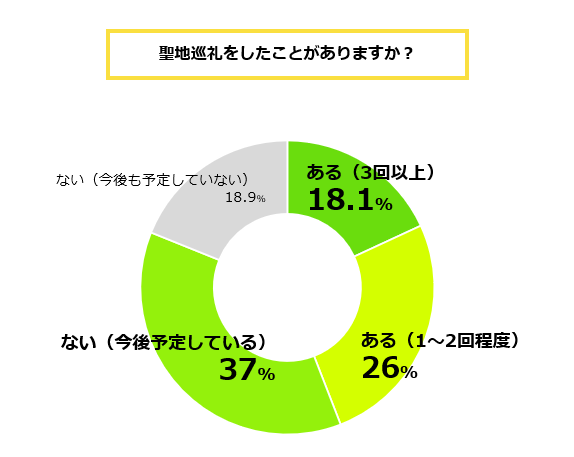
AnimeJapan 2025 Survey: 80% of Overseas Anime Fans Pursue "Pilgrimage"
Att.JAPAN magazine publisher Finex asked overseas anime fans at AnimeJapan 2025...
kyodonewsprwire.jpFinal gear and outfit check
Pack by cutting items from candidates based on your specific locations—expanding toward weight. Day-trip pilgrimage packing averages 1.2-1.8kg total but feels heavier. Street-walking days suit light backpacks for weight distribution.
Essential gear check:
- [ ] Smartphone
- [ ] Charger
- [ ] Power bank
- [ ] Charging cable
- [ ] Wallet
- [ ] Cash
- [ ] IC card
- [ ] ID
- [ ] Drinking water
- [ ] Comfortable shoes
Convenience items:
- [ ] Towel
- [ ] Light snack
- [ ] Basic medicine
- [ ] Collapsible bag
- [ ] Camera
- [ ] Spare SD card
- [ ] Transit app open
Seasonal/weather prep:
- [ ] Compact umbrella
- [ ] Rainwear
- [ ] Waterproof case
- [ ] Cold-weather items
- [ ] Sun protection
Smartphone handling needs special attention. Walking and photography drain power fast; all-day routes require careful charging planning. Include actual cables with power banks.
Rain gear compounds similarly. Umbrella alone versus umbrella plus rainwear plus phone case—added weight is minimal but walking capacity difference is real.
Outfit planning should stress six-hour sustainability over appearance. Comfortable proven shoes, layerable versatile pieces, and temperature-adjustment capacity matter most. Pilgrimage borrows place-time; small preparation effort at the start lets you fully experience what's before you.
Anime Pilgrimage FAQ: Finishing Well
Solo pilgrimage enjoyment and safety
Q. Can you enjoy this alone? Absolutely. Self-paced movement and timing feels less rushed. Stopping longer where interested, leaving quickly if crowded, adjusting spontaneously—this freedom significantly deepens atmosphere absorption.
Q. Where does traveling alone feel uncertain? Gear weight accumulates faster than expected. Additions compress comfort. Long-distance days require lighter packing—overloaded days underperform. Equipment weight directly cuts small adaptations like entering shops, managing stairs, navigating crowds.
Q. What's the core safety mindset? Design routes where arrival times stay predictable. Don't plan extended evening shoots. Night atmosphere tempts but disrupts residential/school areas especially. Maintain phone charge, track location, carry modest cash. These three elements—plus basic awareness that you're in someone else's space—transform solo confidence entirely.

Film "Your Name" Official Site
Director Makoto Shinkai's latest work "Your Name" opens nationwide on August 2016 in Toho cinemas. Voice cast: Ryunosuke Kamiki, Mone Kamishiraishi. Character design: Masuga Tanaka. Animation director: Masashi Andou. Two people who never meet. Their miraculous story begins now.
www.kiminona.comPhotography permission and posting boundaries
Q. How much permission do you need? Don't assume outdoor = unlimited. Indoor, paid spaces, display-area proximity, shop interiors, station common areas—all have distinct rules. Simply asking staff in uncertain moments shifts atmosphere positively.
Q. Are scene recreations OK? Recreation poses themselves are standard, but sourcing work stills for display-and-comparison posts enters different territory. Using official screenshots or cropped images requires rights consideration. Current-location recreation photography and work-image sharing aren't equivalent. Separating these mentally prevents problems.
Q. What's the social media posting line? Faces, plate numbers, identifying home features—these create separate-from-work-appreciation trouble. Location tags too—helpful, but carefully calibrated near residences. Posts that center work atmosphere over perfect composition typically avoid issues. When enthusiasm for scene recreation overshadows location respect, daily-life context becomes "material." Staying before that line matters.
💡 Tip
In uncertain photography moments, ask: "Does this stop foot traffic?" and "Can I minimize background people/property here?" Two-point judgment usually clarifies permission requirements.
Crowded-day navigation and community respect
Q. How do you navigate busy days? Prioritize non-obstruction. Staggering timing beats cramming popular spots. In crowded shopping areas, I sequence as shopping → photograph → move. Catching composition first when crowds exist backfires; watching flow then shooting during breaks keeps momentum.
Q. What about areas with lines and crowds? Don't fixate on one spot. Multiple-minute waits for identical framing underperform versus shooting elsewhere then returning. Real landscape moves constantly anyway. Frame pilgrimages as "carried away atmosphere" rather than shot verification, and unexpected encounters improve.
Q. Does spending locally actually matter? Very much. Purchases, food, small admission fees, transit use build continuation-welcome sentiment. KADOKAWA's anime tourism work shows works and regions thrive when fan visits include transactions. Pilgrimage isn't backdrop borrowing—it's modest economic participation in place-time you enter. One coffee. One purchase. Those small expenses build circulation that welcomes future visitors.
A music writer with experience at a music production company. Covers a wide range from live reports to song analysis, focusing on anime songs, game music, and Vocaloid.
Related Articles
What is Anime Music? Understanding OP, ED, Inserts, and Scoring
What is Anime Music? Understanding OP, ED, Inserts, and Scoring
Anime Music Artists Explained | Understanding Voice Actors, Dedicated Anison Artists, Bands & Tie-up Artists
Anime Music Artists Explained | Understanding Voice Actors, Dedicated Anison Artists, Bands & Tie-up Artists
How to Choose Between Subscription and Purchase | 5 Decision Axes
How to Choose Between Subscription and Purchase | 5 Decision Axes
RPG/Action/ARPG Differences and How to Choose | Beginner's Guide