
The Greatest Manga of All Time, Ranked by Decade
The Greatest Manga of All Time, Ranked by Decade
When you start searching for classic manga, it's easy to get stuck deciding whether to begin with the best-selling titles or pick something that still hits hard today. This guide organizes masterpieces from the 1970s through the 2020s by decade, using sales figures as a reference point alongside reader polls, award history, and lasting influence to help you find your perfect first read.
When you start searching for classic manga, it's easy to get stuck deciding whether to begin with the best-selling titles or pick something that still hits hard today. This guide organizes masterpieces from the 1970s through the 2020s by decade, using sales figures as a reference point alongside reader polls, award history, and lasting influence to help you find your perfect first read. I still remember powering through all 12 volumes of Death Note over a weekend, completely gripped by the density of its mind games. The following week, I read a few chapters of Black Jack from the 1970s and found myself marveling at how masterfully each self-contained episode used pacing and silence. Great manga isn't about crowning a single winner -- it's about finding the entry point that matches your current reading stamina and mood. That approach almost never steers you wrong. If the volume count or the age of a series feels intimidating, don't worry. For each decade, I'll pair representative works with approachable ways to start reading, so you can ease into both sprawling epics and short-form classics without any pressure.
How We Chose This Ranking
This ranking doesn't rely on a single metric to decide what counts as a masterpiece. There are five axes: sales and print runs, award history, influence on later works, reader support, and accessibility for newcomers. A mega-hit like One Piece, with over 510 million copies in circulation, is one marker of a generation-defining achievement. But print run figures fluctuate depending on the reporting period, domestic vs. international breakdowns, and whether digital sales are included. Throughout this article, I use approximate ranges like "510 million copies" to account for that variance (primary sources include official publisher announcements and aggregation sites; figures may differ by reporting date).
Award history reinforces a work's classic status from a different angle than sales. The Shogakukan Manga Award for Touch, the Kodansha Manga Award for Sailor Moon and Nodame Cantabile -- works recognized for critical quality and completeness tend to deliver a more consistent sense of satisfaction after reading. That said, winning an award doesn't automatically make something beginner-friendly, and plenty of titles without major awards have left indelible marks on readers' memories. Awards work best as another reference line pointing toward a work's stature, not as a definitive verdict.
Influence on later works also weighs heavily in this guide. The reason 1970s titles are still discussed today isn't just nostalgia. Black Jack shaped the language of medical dramas and occupational manga. The Rose of Versailles massively expanded the emotional vocabulary and historical sweep of shojo manga. Ashita no Joe became a cultural phenomenon that transcended its genre. These are source streams that later works draw from. Manga is also a rich field of academic study -- looking at the Japan Society for Studies in Cartoon and Comics' Manga Studies vol. 17 or the Google Arts & Culture exhibit tracing manga history, it's clear that masterpieces aren't just popular works; they're treated as turning points in the history of visual storytelling.
Reader support is essential for confirming whether a work still resonates with audiences today. The fact that "best manga" features have become standard across platforms like Manga Zenkan, Comic Seymour, and BookOff reflects the sheer demand for guidance on where to start. The Top 100 Manga Representing the Heisei Era poll, with 5,653 total votes, makes reader sentiment tangible. The beauty of poll-based rankings is that they surface titles people want to recommend again and again -- works that critic-driven evaluations alone might miss. And the top contenders aren't skewed entirely toward shonen; shojo and josei titles occupy important positions. This ranking consciously preserves that balance.
Accessibility matters too -- in practical terms, it directly affects completion rates. I think it's a mistake to overlook this when choosing a classic. Death Note, for example, is just 12 volumes, and at roughly 60-120 minutes per volume of focused reading, you're looking at around 20-30 hours total -- making it easy to plan a binge-read. Fullmetal Alchemist at 27 volumes and Demon Slayer at 23 volumes hit a sweet spot: long enough to feel substantial, short enough to not feel daunting. Meanwhile, titles like Slam Dunk at 31 volumes or Bleach at 74 volumes are incredibly compelling, but committing to the full run from the start can feel like a big ask. Whether it's completed, how many volumes it runs, whether the pace is breezy or dense -- having this information upfront keeps a masterpiece guide from feeling "impressive but distant."
💡 Tip
This ranking isn't meant to declare a rigid #1 through #50. It's designed as a decade-by-decade guide to entry points. Whether you want to sink deep into a long-running epic or breeze through a completed mid-length series over a holiday, the goal is to help you find the right first read.
Not comparing works from different eras on the same scale is also a crucial premise. The 1970s were an era of expanding what manga could express, where influence and innovation naturally dominate the evaluation. The 1990s are often called the "Golden Age of Jump," a period dense with massive hits like Slam Dunk. From the 2010s onward, social media, streaming, digital publishing, and simultaneous anime tie-ins created a much faster cycle of buzz. Even yearly compilations like the Oricon Annual Book Rankings 2025 -- whose actual tabulation period runs from November 18, 2024 to November 16, 2025 -- show that modern sales strongly reflect short-term waves. Comparing Showa-era works and Reiwa-era works purely by the numbers will only give you a skewed picture.
What this guide prioritizes isn't forcing a single "greatest manga ever" verdict. From 1970s classics to 1990s staples to post-2010 modern hits, the goal is to line up the strongest works within the context of their respective eras. That way, it's perfectly fine whether someone starts with Ashita no Joe, Demon Slayer, or Attack on Titan. When you read a masterpiece ranking as a "map of entry points" rather than an elimination tournament, both old classics and new hits become much easier to pick up.
Manga Masterpieces by Decade
When you lay things out decade by decade, what makes great manga fascinating isn't "which one is the strongest" but rather "what was invented in each era." The 1970s expanded what manga could express. The 1980s produced a string of nationally beloved hits. The 1990s saw an extraordinary concentration of mega-sellers. From the 2000s onward, entry points multiplied rapidly -- suspense, seinen and josei titles, social media virality, anime tie-ins, global streaming. An NTT Com Research survey on manga confirms that manga reaches readers across a wide age range, and today it's perfectly natural to enter through a mix of print, digital, anime, and source material.
1970s: The Foundation of Expressive Innovation and Genre Expansion
The 1970s were defined by a relentless sense of "manga can do this?" Shonen manga pushed boundaries in intensity and social engagement, while shojo manga dramatically expanded emotional expression and narrative scale. Looking at Google Arts & Culture's exhibit on the history of manga, it makes sense that this era is treated as the period that built the grammar of everything that followed.
The first essential representative work is Osamu Tezuka's Black Jack. Serialized from 1973 in Weekly Shonen Champion, it's primarily an episodic medical manga that packs ethics, irony, and human drama into compact stories with exceptional craft. The reason it hooks newcomers is straightforward: you don't need to brace yourself for a long series. Each episode delivers on its own, making it a natural fit for anyone who thinks "I want to try a classic, but long series feel heavy."
On the shojo side, the towering representative is Riyoko Ikeda's The Rose of Versailles, which began serialization in 1972. Set against the sweeping upheaval of the French Revolution, it depicts the emotions of Oscar and Marie Antoinette with extraordinary dramatic intensity -- the depth of its historical romance and character work is overwhelming. Reading it today, you can feel the era in its visual intensity, but that's precisely what makes it so revealing about how shojo manga learned to visualize emotion. Including its wide-ranging media adaptations through the Takarazuka Revue, its cultural reach is immense.
To capture the era's heat, Ashita no Joe is indispensable. Its serialization actually began in the late 1960s, but it's most often discussed as a defining achievement of the early 1970s. It's a boxing manga, yes, but it carries the weight of poverty, defiance, and a youth that burns itself out -- giving it an intensity that goes far beyond sports. It's a heavier read for beginners, but as an entry point for understanding why manga is discussed as something more than entertainment, it's exceptionally powerful.

漫画の歴史をたどる - Google Arts & Culture
江戸時代の日本から現代まで、漫画という芸術形式の歴史を探る冒険の旅へ出かけましょう
artsandculture.google.com1980s: National Hits Arrived in Force as Shonen and Shojo Went Big
The 1980s saw manga go mainstream in a way that made household names out of titles overnight. Weekly serialization momentum, anime tie-in synergy, and characters that seeped into the cultural consciousness all came together -- the era of "national works" was born. These titles don't carry the barrier of true classics, yet they haven't aged into the rapid pacing of modern works. They occupy a sweet spot of readability.
The key representative works are Buronson and Tetsuo Hara's Fist of the North Star, Mitsuru Adachi's Touch, and the early arcs of Hirohiko Araki's JoJo's Bizarre Adventure. Fist of the North Star began serialization in 1983 in Weekly Shonen Jump, and beyond the impact of its violence, it delivers a mythic drama set in a post-apocalyptic world. The catharsis of battle manga is on full display -- the satisfying templates of "signature moves," "arch-enemies," and "legacy" that later shonen manga inherited are all packed in here.
Touch ran from 1981 to 1986 in Weekly Shonen Sunday, spanning 26 volumes. Though technically a baseball manga, the real weight lies in its portrayal of youth, family, and the subtle textures of romance -- it even won the 1982 Shogakukan Manga Award. What hooks newcomers is that you don't need to know the rules of baseball; the story carries you entirely on emotional current. From a craft perspective, its skill at drawing tears through silences rather than words is genuinely remarkable.
JoJo's Bizarre Adventure began in the 1980s, and Parts 1-3 in particular laid the series' foundation. The early supernatural horror, the shift to Stand battles in Part 3 -- the way the series reinvents itself with each part is its defining feature. For readers who believe "manga is most interesting when the creator's personality runs strong," it hits with real force. It's unconventional, certainly, but that unconventionality is the appeal.
This decade wasn't just about shonen -- shojo and titles aimed at female readers also produced significant hits, and it's no surprise that reader-poll decade features from this era show strong cross-genre representation. As an entry point into manga, the 1980s are exceptionally well-stocked.
北斗の拳 OFFICIAL WEB SITE
hokuto-no-ken.jp1990s: The "Golden Age of Jump" and a Concentration of Mega-Hits
The 1990s tend to be the decade where the most "I've heard of that" titles cluster in any era-based ranking. Multiple services and features treat this period as the "Golden Age of Jump," packed with blockbuster shonen staples. Media mix expansion -- anime, games, films, merchandise -- accelerated dramatically.
The core representative works are Takehiko Inoue's Slam Dunk, Eiichiro Oda's One Piece, Gosho Aoyama's Detective Conan, and Masashi Kishimoto's Naruto. Slam Dunk ran from 1990 to 1996 in Weekly Shonen Jump, totaling 31 volumes with over 120 million domestic copies. It's the work that defined the thrill of sports manga, but its strength goes beyond the heat of the games -- it's also a compelling story of a delinquent's growth. At 31 volumes, it's neither too long nor too short, making it an ideal entry into long-running shonen epics.
One Piece boasts a circulation in the 510 million copy range, placing it among the highest in history -- a towering adventure manga that's been running since the late 1990s. The sheer volume count is a barrier, but in return, the depth you can reach within its world is the reward. What hooks newcomers is its straightforward delivery of the core shonen pleasures: friendship, adventure, and payoffs that echo across hundreds of chapters. It's become a shared language.
Detective Conan sits in the 250 million copy range, and Naruto matches it at roughly 250 million. Both are firmly in "national hit" territory. Conan hooks you with its case-by-case mystery format, while Naruto delivers a straightforward growth-and-rivalry drama. The 1990s are the safest decade for anyone who wants to "start with the famous stuff and not go wrong."
Sailor Moon also deserves attention -- serialized from 1992 to 1997 in Nakayoshi, it won the 17th Kodansha Manga Award. It pushed the magical girl genre's visual language onto a global stage, and its fusion of shojo manga, anime, and character culture was remarkably potent. The 1990s are often told through shonen manga alone, but leaving this out strips the decade of real depth.
映画『THE FIRST SLAM DUNK』
映画『THE FIRST SLAM DUNK』2022.12.3 公開。
slamdunk-movie.jp2000s: High-Density Suspense and the Expansion into Seinen and Josei
The 2000s maintained the momentum of blockbuster battle manga while seeing a major diversification in density and reader demographics. Monthly magazine hits and josei titles gained visibility, broadening the landscape to include seinen and female readership. This is the decade where "manga isn't just shonen magazines" becomes unmistakably clear.
The standout recommendations for newcomers are Fullmetal Alchemist, Death Note, Nodame Cantabile, Bleach, and Yotsuba&!. Fullmetal Alchemist ran from 2001 to 2010 in Monthly Shonen Gangan, completing at 27 volumes. Its accessible alchemy premise, the brothers' journey, a nation-scale conspiracy, and the emotional payoffs are all beautifully designed -- as a completed mid-length series, its craftsmanship is top-tier. The fact that it received two anime adaptations speaks to how strong its narrative core is.
Death Note ran from late 2003 to 2006 in Weekly Shonen Jump, completing at 12 volumes. Its density as a psychological thriller is remarkable, and the short length makes it ideal for binge-reading. At 12 volumes, it's a realistic target for a long weekend, and it's the kind of masterpiece where you literally cannot stop turning pages. For anyone whose goal is "complete one great manga first," this level of accessibility is an enormous advantage.
Nodame Cantabile ran from 2001 to 2010 in Kiss, completing at 25 volumes and winning the 28th Kodansha Manga Award (shojo category). It uses classical music as its stage while blending romance, growth, and the appeal of professional craft -- making it an exceptionally strong entry into works aimed at female readers. The fact that it spawned a live-action drama, anime, and films is no surprise; it has a genuine ability to make specialized subject matter entertaining.
Meanwhile, Yotsuba&! represents an important expansion in this era toward slice of life. Serialized since 2003, it had 16 volumes as of February 2025. Nothing dramatic happens, yet everyday discoveries alone create a rich reading experience. This sense of "you don't need a big plot to be interesting" broadened manga's audience from the 2000s onward.
映画『鋼の錬金術師』公式サイト
映画『鋼の錬金術師』公式サイト。大ヒット上映中!国民的超人気コミックがついに完全実写映画化!
wwws.warnerbros.co.jp2010s: The Decade When Social Media, Streaming, and Digital Manga Supercharged Reach
The 2010s marked a shift where manga didn't just succeed on its own merits -- anime, social media, streaming, and digital publishing became an integrated engine of discovery. Strong opening hooks, powerful cliffhangers per chapter, and the structure of anime adaptations that catapulted awareness all became distinctly more pronounced. An NTT Docomo Business X survey found that over 80% of both men and women in their early twenties identified as manga fans, indicating just how low the barrier to entry had become for younger readers.
The twin pillars of this era are Attack on Titan and Demon Slayer. Attack on Titan began in 2009, concluded in 2021 at 34 volumes, and has reportedly surpassed 140 million copies worldwide. Its claustrophobic world, the layering of mysteries, and its value-system reversals are devastatingly effective. What hooks newcomers is the overwhelming strength of its opening chapters and the ease of entering through the anime. It's an immediately legible example of a modern epic.
Demon Slayer concluded at 23 volumes with over 200 million copies in worldwide circulation. It's the quintessential example of anime synergy driving cultural reach, combining family bonds, mentorship, and highly visual combat. The volume count is approachable, and it delivers the classic shonen experience at a modern tempo. Honestly, when someone asks "if I could only read one great manga to completion, what should it be?" -- Demon Slayer is one of the strongest answers.
The rise of digital manga from the 2010s onward is also impossible to ignore. NTT Docomo Business X reported 5.6% of respondents using paid digital comics and 11.9% using free-only digital comics, showing that entry points beyond physical tankoubon were growing significantly. In practical terms, just three paperback volumes add about 600 grams to your bag, so longer series and digital formats are a natural pairing. The rapid spread of this era's hits wasn't just about the works themselves -- the ease of the reading environment played a real role.
進撃の巨人 作品公式サイト
shingeki.net2020s: The Era Where Global Streaming and Rapid-Cycle Buzz Are the Default
The 2020s have seen the cycle of buzz spin even faster, with anime broadcasts, clip culture, fan reactions, and digital distribution all pushing titles forward nearly simultaneously. And this isn't just a domestic phenomenon -- the reach now extends naturally to overseas markets like North America and France. Japan's Ministry of Economy, Trade and Industry has outlined the importance of localization and event strategies for international fans in its manga and publishing action plans, reflecting how today's hits connect to a global context from the very start.
Many works from this decade haven't fully solidified their critical reputations yet, but the defining trait is a rapid succession of titles building strong followings in short cycles. For a sense of reader sentiment, annual features like the "Kono Manga ga Sugoi! 2026" roundup article tracking recent trends are indispensable for making reading choices. The landscape extends well beyond shonen staples -- dialogue-driven series, romance, slice of life, social commentary, genre hybrids -- the distribution of "what resonates now" is genuinely broad.
The key advantage for newcomers in the 2020s is that while the definition of "masterpiece" can't be settled by sales alone, the sheer number of entry points is enormous. Watching the anime and then jumping to the source material, picking up a buzzworthy volume 1 from social media, following a series mid-run rather than waiting for completion -- all of these reading patterns have become natural. Oricon's weekly and annual rankings are strong for gauging short-term heat, while reader-vote features measure "would I still recommend this to someone?" The 2020s masterpiece landscape, including works still in the middle of earning their historical assessment, is best approached as a section for reading what's exciting right now.
ℹ️ Note
If you're not sure which decade to start with: 1970s-80s are for "tasting manga's roots," the 1990s are for "connecting with the shared language of the classics," the 2000s are for "binge-reading polished mid-length series," and the 2010s onward are for "choosing titles with easy anime on-ramps."
1970s Masterpieces and Their Historical Context
The joy of reading 1970s masterpieces isn't simply "experiencing the classics." It's a period where the hard-boiled storytelling of gekiga and the emotional expansion of shojo manga advanced simultaneously, with the tensions and shifting values of society bleeding directly into the temperature of the stories. The fervor of rapid economic growth had cooled, and the residue of pollution crises, the post-student-movement atmosphere, and changing family structures and gender roles seeped quietly into the pages. As a result, even hero stories and romances carry a rawness that feels distinctly different from contemporary works.
The first titles to highlight are Ashita no Joe, The Rose of Versailles, and Black Jack. Ashita no Joe began in 1968 with its serialization extending into the early 1970s, carrying a roughness that goes far beyond typical sports manga. Joe Yabuki's way of living is steeped in the era's sense of social stagnation and class consciousness -- what resonates isn't who wins or loses, but the question of how to live. The Rose of Versailles began in 1972, depicting politics, class, romance, and gender through towering emotion set against Revolutionary France, pushing the expressive territory of shojo manga to a new level. Even today, there are moments in its gaze direction and monologue placement where you think "this is where shojo manga changed." Osamu Tezuka's Black Jack began in 1973 in Weekly Shonen Champion, using an episodic structure to cut into medicine, ethics, money, and the weight of life from a different angle every chapter. It manages to be thought-provoking without being preachy -- an exceptional achievement.
In terms of sheer circulation, Doraemon and Golgo 13 are also impossible to skip when discussing the 1970s. A useful reference point is the World Manga Circulation Rankings for Japanese Works, which shows both titles in the 300 million copy range across multiple sources. Circulation alone doesn't determine classic status, of course, but as a measure of the depth of being read across generations, these numbers are plenty strong. And the fascinating thing is how completely different these two series are in character. Doraemon gently expands everyday wishes as a beloved national treasure, while Golgo 13 relentlessly builds the aesthetic of a cold professional over its marathon run. The fact that reading experiences this different coexisted in the same era speaks to the richness of the 1970s.
The reason 1970s works resonate with newcomers actually isn't just "because they have a long history." It's because many are short-form or episodic, making them easy to get into a reading rhythm with. Modern long-running series sometimes take an entire first volume just to establish the world, but 1970s masterpieces often deliver a clear landing in each episode. Black Jack, for instance, is satisfying even one chapter at a time -- in 30 minutes to an hour of reading, you feel like "I genuinely experienced a complete work today." You don't need the stamina to chase dozens of volumes, making it accessible even for people who don't read much.
On top of that, this decade makes it easy to feel historical influence firsthand. Techniques that seem obvious now were brand new back then. The heavy silences of gekiga, the interior monologues of shojo manga, the way white space was used to stretch emotion, the realism of occupational stories. These "prototypes of modern manga" are everywhere. Reading them as cultural history sounds dry, but in practice they're vivid -- more like a chain of inventions than a dusty archive.
The tactile quality of the page layouts is also unique to this era. Opening an older manga, you might notice that the "white space" between panels feels wider than in modern works. It's not that there's less information -- it's that there's breathing room left for the reader's imagination. You can pause between panels and let the emotion or the temperature of a scene expand inside you. From a creator's perspective, this white space isn't a lack of explanation; it's a design choice that trusts the reader. The "oldness" of 1970s works can actually draw out a more active reading experience.
As a starting approach, it's most natural to get a feel for things with short-form works before moving to longer series. Black Jack is especially strong as an entry point -- each episode is polished, and it flows smoothly whether you read it as medical drama or human drama. Once you're craving bigger emotional waves, branch out to Ashita no Joe; if you want to witness the revolution in shojo expression, head to The Rose of Versailles. That gives you a clear picture of the 1970s' contours. Long-running titans like Doraemon and Golgo 13 are best approached by reading a few chapters to get a sense of the work's rhythm rather than attempting to conquer the whole thing -- that approach fits this era better.
The 1970s are a bit more taste-dependent as an entry point compared to the 1990s. But precisely because of that, when something does click, the discovery of "so this is where manga expanded from" hits harder. On a different axis from modern readability, it's an era that lets you touch the skeleton of manga itself. You can start with Doraemon's warmth, or go for something heavier with Golgo 13 or Ashita no Joe. The 1970s masterpieces aren't relics -- they're works that show you the lifeblood running through today's manga.
1980s Masterpieces and Their Historical Context
Moving into the 1980s, the reading experience becomes much more sharply defined around "winning," "getting stronger," and "falling in love." If the 1970s were an era of expressive expansion, the 1980s were when those inventions transformed into mass excitement. In shonen manga, centered on Weekly Shonen Jump, the pleasures of classic battle and sports manga were refined; in shojo and coming-of-age manga, the craft of depicting romance and ensemble casts matured another level. The reason these works remain satisfying today is that this era didn't settle for treating "the basics" as mere templates -- it perfected them as machines built to ignite readers' emotions.
The key representative works are Dragon Ball, Fist of the North Star, Touch, and JoJo's Bizarre Adventure Parts 1-3. Dragon Ball started as an adventure manga and naturally expanded into training arcs, tournaments, and battles against powerful foes -- a structure of remarkable strength. It looks like a simple power-escalation story on the surface, but the pacing of its page turns, the way it guides your eye during fights, and the precision of its double-page spread compositions are exceptional. The shared grammar of later battle manga is all here. Fist of the North Star began in 1983 in Weekly Shonen Jump, threading righteousness and sorrow through its violent world. It doesn't just overpower through force -- it depicts what the strong must carry at an extreme scale, making individual lines of dialogue stick in your memory with surprising persistence.
On the youth and romance side, Touch stands at an impressive level of completion. Serialized from 1981 to 1986 in Weekly Shonen Sunday, it ran 26 volumes. Though it's a baseball manga, what lingers after reading is less about wins and losses and more about family, loss, love triangles, and the trembling of emotions left unsaid. Mitsuru Adachi's sense of timing looks effortless but is incredibly precise -- the "unsaid" in his dialogue actually amplifies the emotion. There's a quality of romantic expression that grew from shojo manga traditions melting naturally into a shonen magazine's coming-of-age story, capturing the maturity of the 1980s perfectly. JoJo's Bizarre Adventure undergoes major shifts even within just Parts 1-3: the supernatural horror and bloodline drama of Part 1, the improvisational bluffing of Part 2, the tactical depth introduced by Stands in Part 3 -- the series lets you experience firsthand how "changing the rules can completely transform battle manga."
The reason 1980s works hook newcomers so effectively is that they let you feel the substance behind the word "classic." Hard work, arch-rivals, training, awakenings, friendship, signature moves, the high school tournament, a missed connection in love. These words still appear in all kinds of manga today, but reading the 1980s masterpieces reveals that they weren't templates at all -- they were carefully designed mechanisms for raising a reader's pulse. They also make for great shared conversation, and phrases like "Kamehameha," "You are already dead," "Stands," and "that Adachi-style pause" serve as foundational vocabulary in manga and anime discussions.
A tangible example is the "double-page-spread impact" that's characteristic of 1980s works. A powerful enemy appears, the background drops away, the character stands center-frame. A bold catchphrase lands on the next beat, practically stopping the reader's breath. This sequence is direct and visceral. It's different from the modern approach of building information toward an explosion -- the 1980s demand "feel it now, on this page." The heat of the dialogue sits on top. Reading Fist of the North Star or early-to-mid Dragon Ball, you get the sensation of words flying at you like fists. Bold from a craft perspective, but that's exactly why each panel burns into your brain.
💡 Tip
If you're touching the 1980s for the first time, just one volume is plenty. A typical tankoubon takes roughly 1-2 hours to read carefully, making it a perfect length for testing your affinity with the classics.
For how to start: Dragon Ball works best if you begin with the early adventure arc. If your image of the series is all late-stage power battles, you'll be surprised by the fun of the initial journey -- the humor, the item quests, the expanding world. Knowing that origin makes it clear the series didn't grow solely through power inflation. Cumulative circulation varies significantly across sources depending on timing and whether domestic and international figures are combined, and aggregations like the World Manga Circulation Rankings for Japanese Works place it in the 2.6-5 billion copy range -- that breadth itself tells you something about the scale.
If you want to lean into romance and youth, Touch is easy to approach without overthinking it. It's completed, the satisfaction is high relative to the commitment, and the emotional waves you get are substantial for the investment. You don't need to know baseball rules to read it, and your attention naturally drifts toward the distances between characters and the way time passes. 1980s works generally leave clear impressions of "what you read," and Touch is especially the type that stays with you as a memory of seasons and atmosphere long after you finish.
The point of reading the 1980s isn't just ticking off old popular titles. It's about experiencing, in raw form, the moment when today's dominant forms of battle manga, sports manga, and romance-coming-of-age stories gained the technology to carry readers. Even for people accustomed to modern pacing, encountering this era's straightforward intensity leads to the realization that these works aren't "strong despite being formulaic" -- they're the reason those formulas endured.
1990s Masterpieces and Their Historical Context
In a word, the 1990s were the era when mega-hits became shared cultural language. The classic formulas polished in the 1980s were further refined, and club sports stories, mysteries, and magical girl series all existed as parallel reading experiences for the same generation. On top of that, the force of media mix expansion into anime, film, toys, music, and merchandise was immense -- manga became not just "something you read" but "something everyone knows."
From a craft perspective, 1990s works excel at setup design. The first chapter or first volume makes the work's identity immediately clear. Basketball delivers heat, pirates promise adventure, mysteries open with a hook, and magical girls establish the dual structure of transformation and daily life right away. This strength of entry means the fun arrives before any sense of aging. These works are easy to recommend because they offer both a route to satisfying binge-reads of completed series and a route to deep immersion in long-running epics.
Representative Works
The indispensable starting point is Slam Dunk. Serialized from 1990 to 1996 in Weekly Shonen Jump, it spans 31 volumes. The athletic thrill is a given, but its real strength lies in panel compositions that synchronize the flow of games with the reader's breathing. Watching the complete amateur Hanamichi Sakuragi resist, stumble, and gradually fall in love with basketball is deeply satisfying. You don't need sports expertise to read it, yet afterward you feel as though you were in the stands watching the game unfold.
The symbol of the long-running epic is One Piece. It started in 1997, making it technically a late-90s work, but it deserves to be treated as the title that carried this era's energy straight into the next. Its cumulative circulation of roughly 510 million copies is consistently confirmed across multiple sources as among the highest in history. Pirates, crewmates, dreams, partings, fresh starts -- it supports the core of shonen manga with the sheer breadth of its world, and it changed the standard for "what it feels like to enter a long series."
Naruto and Detective Conan are equally strong pillars. Naruto sits in the 250 million copy range and Detective Conan matches at roughly 250 million -- the former pulls readers through training and growth, the latter through the accumulation of case resolutions. Despite different genres, both share an unmistakable "mechanism for making you want to keep going." Delivering satisfaction per episode while simultaneously driving a larger overarching narrative became the standard from the 1990s on.
In the shojo context, Sailor Moon and Cardcaptor Sakura carry enormous presence. They made transformation, daily life, friendship, romance, and item appeal work together, binding tightly with anime and merchandise. Beyond being approachable as magical girl stories, they're memorable down to character designs, costumes, and poses -- print appeal and media mix strength layered beautifully together.
The reason 1990s works remain excellent entry points is that the range of preferences they cover is enormous. If you want sweat and effort, Slam Dunk. A vast world to sink into, One Piece. Brisk mystery pacing, Detective Conan. A character growth saga, Naruto. Sparkle and emotional brilliance, Sailor Moon or Cardcaptor Sakura. The breadth of entry points is genuinely impressive.
How to Start Reading
If satisfying completion is the priority, Slam Dunk is the clearest choice. 31 volumes sounds long, but once the games start rolling, pages turn almost involuntarily, and the payoff of a completed series is there at the end. That said, reading all 31 volumes in a weekend isn't realistic. Spreading it over several days to a few weeks maintains the athletic intensity while keeping things comfortable.
ℹ️ Note
You can enjoy Slam Dunk even if you only know the famous scenes, but reading it from the start lets Hanamichi's raw inexperience properly accumulate, transforming the weight of the finale into something entirely different.
For entering the long-running epic lane, reading One Piece through volumes 1-5 gives you a solid grip on the work's core. What you'll find isn't just pirate battles -- it's the promise of a story about gathering companions and setting sail. Who travels with you, why you head to sea -- these declarations are firmly established early on, allowing you to understand "this is what makes this series fun" before the volume count becomes intimidating. For people new to long series, whether you grasp this initial promise makes all the difference.
For the mystery route, Detective Conan offers natural breaks between cases, reducing the pressure of length. You can judge your compatibility with just one volume, and since mysteries arise from everyday settings, it's an entry for people who didn't click with battle-focused manga. Naruto, meanwhile, shows the protagonist's isolation, the village structure, and rival dynamics early on -- approaching it as a growth story gets momentum going.
For the magical girl route, Sailor Moon and Cardcaptor Sakura have clear strengths. The switch between everyday charm and the extraordinary when it's time to fight keeps things from feeling too heavy or too shallow. Character attachment directly fuels reading momentum -- you can touch the feel of a masterpiece without the endurance demands of battle or sports manga.
Supporting Data
When backing the 1990s with numbers, circulation and reader support are the most useful tools. One Piece at the 510 million copy level, Naruto and Detective Conan at the 250 million copy level -- these figures make it easy to show "these were the center of their era" in a way that transcends finer evaluative distinctions. Sales and circulation alone can't fully determine classic status, but as a reference line for seeing how broadly 1990s-to-Heisei staples captured readers, they're exceptionally powerful.
For a sense of reader sentiment, BookLive's Heisei manga ranking is also a useful benchmark. With 5,653 total votes, it clearly shows what stuck in people's memories. Of course, any poll has sampling bias based on its user base, but as material for identifying "works whose names still come up," it carries real meaning. When objective metrics like circulation and subjective metrics like reader polls point the same direction, a work is usually more than just a hit -- it's become a shared experience that lives in memory.
My personal experience confirms it: 1990s works are easy to talk about with friends. Iconic scenes from Slam Dunk, the crew recruitment moments in One Piece, memorable cases in Conan -- conversations happen without needing detailed explanations. There's that strength of "yeah, I know that line." And it's not just because these works were popular -- it's because the placement of double-page spreads and catchphrases was so skillfully done that they lodged in the brain in a quotable form. The reason 1990s manga is called a shared language isn't just name recognition -- it's because these works have scene designs that practically beg to be spoken aloud.
For a quick grasp of Heisei-era reader sentiment, the Top 100 Manga Representing the Heisei Era (5,653 votes) offers strong visibility. Rather than treating the ranking as gospel, the best use is confirming the atmosphere of "what Heisei readers remembered as representative."
For an organized view of circulation scale, an aggregation page like the circulation data for One Piece/Conan/Naruto improves comparison precision. Seeing One Piece, Detective Conan, and Naruto on the same playing field makes the density of 1990s mega-hits intuitive.
One Piece is a work with strong OGP presence when explaining it as a gateway to long-running series. The title alone instantly evokes the sea, adventure, companions, and dreams, making the direction of the content immediately clear to anyone encountering it in an article. Though it started in the late 1990s, it sits perfectly as a symbol of the concentrated mega-hits and accelerating media mix that defined the period.
Detective Conan is an ideal OGP pick for showing that the 1990s weren't all about battle manga. It immediately conveys that mystery was established as a mainstream staple alongside sports and adventure titles. And since it's a long-running series whose entry point is "the fun of the first case," it aligns well with newcomer pathways.

ONE PIECE.com(ワンピース ドットコム)
『ONE PIECE(ワンピース)』尾田栄一郎公認ポータルサイト。アニメ、コミックス、イベント、グッズ等の最新情報がここに集結!
one-piece.com2000s Masterpieces and Their Historical Context
Representative Works
The 2000s carried forward the 1990s mega-hit trajectory while sharpening the aftertaste. What stands out most is the strength of high-density suspense and an expansion of readership that reached well beyond shonen. Music, cooking, work, daily life -- subjects beyond battle and adventure took their natural place alongside "masterpiece" status, and entry points multiplied rapidly.
The emblematic title is Death Note. Serialized from December 2003 in Weekly Shonen Jump, the main series wraps up in just 12 volumes. Its rules are clearly explained, yet the way they're wielded through psychological warfare keeps the landscape constantly shifting. From a craft perspective, the structure of maintaining tension purely through the timing of information reveals after getting you to accept the premise is remarkably effective. Any conversation about "well-paced 2000s masterpieces" starts here.
On the classic fantasy side, Fullmetal Alchemist stands apart. Serialized in Monthly Shonen Gangan from 2001 to 2010, it completed at 27 volumes. The strong central pillars of nation, alchemy, and a brothers' journey are clear from the start, so despite the large world, the risk of getting lost drops significantly. Its emotional beats are expertly placed -- the battle logic and human drama never separate. It looks long, but the actual reading experience is smooth.
To represent 2000s shonen heat, Bleach is also impossible to skip. At 74 volumes, it's not exactly a "binge-able mid-length series," but its visual sharpness, the way dialogue lingers, and its character work are packed with 2000s sensibility. If the 1990s classics were "grand narratives everyone shared," the 2000s began moving into an era where each reader finds their own favorite aesthetic -- and Bleach embodies that shift strongly.
For experiencing the expansion into josei and seinen, Nodame Cantabile provides a clean perspective. Running from 2001 to 2010 in Kiss and completing at 25 volumes, it uses classical music as its vehicle while foregrounding the friction and growth between characters rather than any stuffiness. It reads with surprising lightness for a specialized subject. It doesn't lean entirely on romance or artistic reverence -- work, talent, and daily life are depicted on the same plane, which feels distinctly 2000s.
For slice of life presence, Yotsuba&! is essential. Serialized since 2003 in Monthly Comic Dengeki Daioh, it had 16 volumes as of February 2025. Nothing dramatic happens, yet double-page spreads and timing alone give rise to genuine emotion. Separate from flashy gimmicks, it taught readers that "manga can create this kind of temporal pleasure too." It's a work that marks when the criteria for "masterpiece" expanded beyond the scale of battles and drama.
Additionally, Space Brothers deserves mention as an exceptionally strong entry point for stories about work and growth. It's a dream-chasing story that doesn't just push through on enthusiasm alone -- it makes you read through the real-world logistics and steady accumulation of effort. This was the era when stories you could read as life choices, while retaining shonen-like passion, became more prominent.
The reason this period hooks newcomers is partly that many strong works complete in the 20-27 volume range. Death Note at 12 volumes, Nodame Cantabile at 25, Fullmetal Alchemist at 27 -- these strike an excellent balance between the satisfaction of a long series and a realistic binge-reading volume. Estimating roughly 60-120 minutes of reading per volume, the 12-volume Death Note is manageable over a holiday stretch, and the 25-27 volume tier maintains rhythm even when spread across several days. The combination of clear premises and sharp execution means even inexperienced readers are unlikely to drop off.
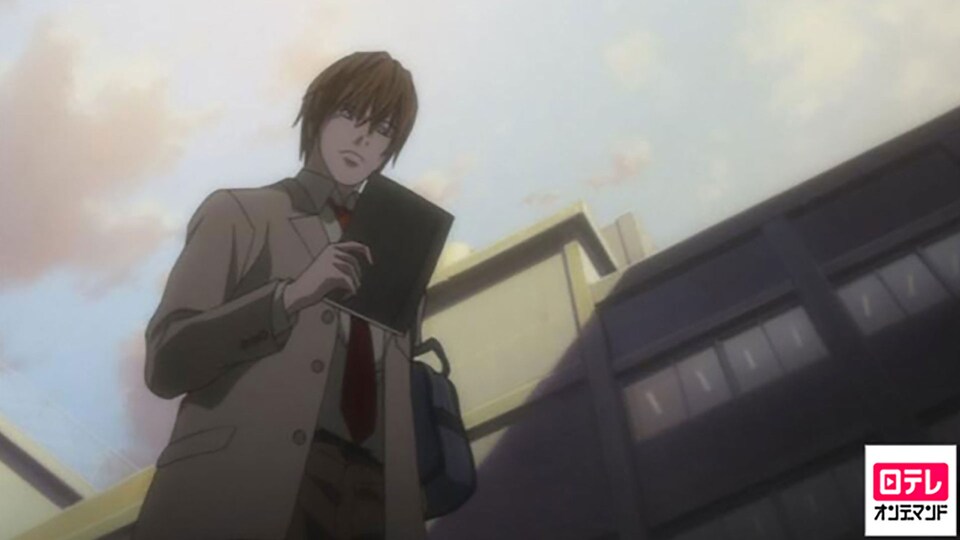
DEATH NOTE|バンダイチャンネル
(C)大場つぐみ・小畑健/集英社・VAP・マッドハウス・NTV・D.N.ドリームパートナーズ
www.b-ch.comHow to Start Reading
For a first encounter with 2000s manga, I think using Death Note volumes 1-3 as your benchmark works best. The reasoning is simple: by volume 3, you'll have a clear answer on whether "2000s manga built around clever mechanisms" is your thing. The notebook's rules, the protagonist's thought process, the appearance of an adversary, the pursuer-pursued dynamic -- it all stands up at high speed in a short distance, making it ideal for testing whether the pacing works for you. If you're hooked by then, you can comfortably run through all 12 volumes.
For a more straightforward fantasy flavor, moving to Fullmetal Alchemist is a clean progression. The 27-volume length is real, but the clear objective and well-organized world rules and journey meaning from the start prevent any sense of wandering. Action, national-scale conspiracy, and family drama connect along a single thread, making it an exemplary "long but easy-to-read completed series."
For something lighter, Nodame Cantabile or Yotsuba&! -- non-combat masterpieces -- can work wonders. The former draws you in through music and interpersonal dynamics, the latter through everyday discoveries, so even people who find battle-and-conspiracy intensity overwhelming will find the barrier lower. The 2000s are a genuinely generous decade in this regard, making it immediately clear that "masterpiece" doesn't have to mean "heavy and monumental."
Sales visibility also becomes easier to organize from this period. Oricon's book rankings began in 2008, so from the late 2000s onward, the Oricon Annual Book Rankings 2025 tabulation methodology provides a foothold for tracking momentum from late serialization through completion. A work's quality can't be measured by numbers alone, of course, but this was when it became easier to observe works that accelerate as they approach their ending. The tendency of 2000s titles to inspire "I want to binge-read this" is partly tied to this increasing visibility of reading patterns.
Reading Death Note one volume per weeknight is a way to experience this series' strength viscerally. Budget roughly 1-2 hours per volume -- it's a length you can finish before bed, but the cliffhanger at the end of every volume hits with precision. My experience is that the moment I finish a volume, my brain feels a little too alert, already turning over what happens next.
That's quintessentially 2000s. The 1990s long-running epics gave you a satisfying "I read this much today" feeling, but Death Note makes the cuts where "this is the worst possible place to stop." Less like a serial drama, more like each volume ends on a small cliff. Even on a night before work or school, a single volume keeps the commitment manageable while still igniting your momentum. There's a sense of suspense infiltrating your daily rhythm.
Binge-worthy works are often assumed to be for weekends, but 2000s mid-length completed series hold up just as well when read in weekday installments. Nodame Cantabile has pleasant temperature shifts per chapter, and Fullmetal Alchemist has propulsive arc structure, so reading in smaller portions doesn't let the energy die. The busier you are, the more you'll appreciate the "well-designed pause points" this era's works offer.
Death Note stands out as an era-defining OGP for this section. The title alone conjures the black notebook, the taboo of writing names, mind games, and an atmosphere of taut suspense -- conveying the 2000s' thriller orientation both visually and linguistically.
At just 12 volumes of main story, serialized from December 2003 to May 2006, its compactness is another asset. Not too long, not too thin, easy to explain. The reason Death Note is such a strong answer to "name one 2000s masterpiece" isn't just name recognition -- it's that a single work can speak for the decade's reading flavor.
At the same time, works like Fullmetal Alchemist and Nodame Cantabile offer masterpiece energy in completely different directions. That's why placing Death Note as the OGP highlights the high-tension core of the 2000s while making visible the surrounding landscape of music stories, slice of life, and occupational manga. As a starting point for further reading paths, it organizes things well.
2010s Masterpieces and Their Historical Context
The Atmosphere
The 2010s manga scene becomes clearest when viewed as an era where not just the works themselves but the way they reached audiences changed dramatically. Someone watches an anime, gets curious, and flows straight to the source material; reactions spread on social media; anyone wanting more can follow along in print or digital. This circulation became seamless. Media mix existed in the 1990s and 2000s too, but the 2010s distinctly normalized "watching a broadcast at night and opening the source material app the next morning."
The defining lineup of this era includes Attack on Titan, Demon Slayer (23 volumes), Haikyu!!, My Hero Academia, The Promised Neverland, and March Comes in Like a Lion. They all point in different directions, yet they share a hook you can describe in a single sentence -- which is very 2010s. An overwhelming external threat in the form of titans, demon-slaying swordplay, the heat of high school volleyball, the institutional design of a hero society, a children's escape thriller, shogi and the texture of daily life. When these works trend on social media, it's because the entry point is so easy to articulate.
On the other hand, Ministry of Economy, Trade and Industry materials note that the popularity of an anime adaptation doesn't always translate directly into source material recognition. This is an interesting nuance: the 2010s weren't simply a matter of "animate it and it sells." More accurately, the infrastructure for moving from anime to source material matured, and works whose source material was worth following on its own were the ones that thrived. The explosive growth of Attack on Titan and Demon Slayer was driven not just by the visual spectacle but by the genuine value of reading the original manga.
The spread of digital editions also underpinned this atmosphere. NTT Docomo Business X's manga survey reports 5.6% using paid digital comics and 11.9% using free-only digital comics, painting a picture of a transitional period where entry points were multiplying beyond print alone. It wasn't fully digital yet, but "try a chapter on the app, continue with tankoubon or digital" had become a natural pattern. My own experience confirms it -- watching a few anime episodes on a streaming service at night and opening the source material app on the morning commute feels seamless. You can take the emotional warmth from the visuals and immediately cash it in through panels and dialogue.
The way sales became visible also changed. Short-term momentum is readable through weekly data like the Oricon Weekly Comic Rankings, while longer-term shifts become apparent through annual rankings. The 2010s made "what's being read right now" more visible than ever, with social media buzz and sales movements easy to observe in tandem. Reducing a work's value to numbers alone is reductive, but in the sense that excitement translating directly to reader behavior became easier to track, it characterizes this era well.
Why Newcomers Connect
The reason 2010s works are so accessible is that the payoff of completion and the speed of immersion coexist. It's not just that there are many buzzworthy titles -- using anime as a supplement accelerates your grasp of worldbuilding and character dynamics. Demon Slayer in particular, at 23 completed volumes, hits the sweet spot: long enough for deep satisfaction, short enough for realistic binge-reading. You can clearly picture dedicating a weekend to it, and the sense of "I saw it through to the end" is there when you finish.
What's more, 2010s hits provide abundant hooks for conversation. Attack on Titan's shocking opening and world mysteries, My Hero Academia's story of a powerless boy reaching for his dream, The Promised Neverland's structurally powerful premise -- after reading, it's easy to say "that scene was incredible" or "that concept really worked." For newcomers especially, being able to articulate a work in your own words matters, and 2010s titles are generous in that regard.
Two clear starting approaches stand out. **For a short completion sprint, Demon Slayer at 23 volumes is excellent. The emotional lines of allies and enemies are clear, and the combat arcs have natural breakpoints, so reading momentum rarely dips. The other route: if you want the classic shonen feel with a modern touch, start with the opening of *My Hero Academia***. It has a robust growth-story backbone while presenting hero imagery and social systems in a contemporary way, making it accessible even to people who've bounced off traditional battle manga.
💡 Tip
2010s works pair especially well with the approach of grasping the outline through anime first, then savoring the emotional accumulation through the source material. Receiving the energy through animation and then chewing on the expressions and pacing in manga dramatically accelerates the hook.
From a creator's perspective, this era's manga excels at organizing information within panels. As if calibrated for the fragmented attention spans of the smartphone age, the hooks per chapter and per volume are strong. This means even people whose reading habits aren't fully established are less likely to drop off. Honestly, 2010s masterpieces aren't "shallower because they're accessible" -- they widen the entrance while keeping the emotional depth genuinely substantial. That balance is what determines how powerfully they connect with newcomers.
For OGP placement, Demon Slayer fits best. The reason is straightforward: it carries symbolic weight spanning the late 2010s into the early 2020s while being supremely easy to recommend as a completed work. The compactness of 23 volumes is another strength -- it's explainable as "a masterpiece you can still catch up on."
The title alone conjures Japanese-aesthetic worldbuilding, demon battles, a sibling story, and the speed of swordplay. Both visually and as a phrase, it's powerful, and there's little ambiguity about treating it as a defining work of the social media age. The movement of anime viewers flowing back to the source material feels intuitive with this title. It readily evokes the 2010s' hallmarks of streaming, viral spread, and source material circulation in a single image.
Of course, the decade's core also includes large-scale works like Attack on Titan and titles with distinctly different kinds of intensity like Haikyu!! and March Comes in Like a Lion. But since the OGP's role is to let someone grasp the era's entry point at a glance, weighing name recognition, completion accessibility, and clarity of the modern reading pathway makes Demon Slayer a well-reasoned choice.
TVアニメ「鬼滅の刃」公式サイト
「週刊少年ジャンプ」の大人気漫画『鬼滅の刃』コミックス最終23巻絶賛発売中!
kimetsu.com2020s Masterpieces and Their Historical Context
The 2020s have reached a point where "it's a domestic hit" no longer captures the full picture. International simultaneous streaming has intensified, with reactions circling the globe right after a new anime episode airs and that heat feeding straight back to the source material. The speed at which works are discussed simultaneously is distinctly faster. Panel composition and chapter structure reflect this atmosphere too -- objectives are visible early, cliffhangers hit hard, and each chapter contains a compact arc of setup and payoff. They're satisfying to follow on a phone, and reading them collected in tankoubon makes the structural craft even more apparent.
This trend isn't unrelated to Japan's content export value expanding to roughly 5.8 trillion yen (~$39 billion USD). Beyond the inherent value of manga, the integration of anime streaming, social media virality, and digital reading has made it easier for 2020s works to carry both "speed of discovery" and "staying power in conversation" at the same time. The 2010s had a wealth of entry points, but the 2020s layer international simultaneous experience on top.
Representative Works
Titles that are hard to leave out when discussing this decade include Spy x Family, Chainsaw Man (Part Two), Frieren: Beyond Journey's End, Kaiju No. 8, Blue Lock, and Oshi no Ko. Line them up and the genres scatter, but the common thread is how strong each opening chapter feels. The hooks that pull readers in are unmistakable, and rather than burning out after the initial grab, character emotions and thematic threads genuinely build with each subsequent chapter.
Spy x Family has flashy premises -- a spy, an assassin, a telepath -- but the actual reading experience is breezy. Comedy and the warmth of a family story take the lead, making it approachable even for people who tense up around battle-centric manga. Frieren: Beyond Journey's End takes the opposite approach -- quiet, beginning with the "after" of a demon lord's defeat, its structure feels fresh, and each chapter lets the weight of time sink in gently. Rather than bombarding you with dramatic events, it carefully places small emotional tremors. The craft is remarkable.
Oshi no Ko uses the glamorous entertainment industry as its stage while keeping its gaze sharp. Blue Lock retains sports manga grammar while pushing self-affirmation and competitive drive to the foreground, raising the post-reading intensity. Kaiju No. 8 has an exceptionally clear premise, and Chainsaw Man (Part Two) has a distinctly contemporary coexistence of unease and humor. Each of these works shows its face within volume 1, letting newcomers judge "is this for me?"
For a broader look at recent trending titles, annual features like the "Kono Manga ga Sugoi! 2026" announcement serve not as fixed verdicts but as mirrors reflecting each year's atmosphere. The 2020s especially are an era where the direction of enthusiasm is visible in ways that sales alone can't capture.
How to Start Reading
If you're entering 2020s manga, the priority should be something casual enough to pick up one-handed. Rather than diving into an elaborate worldbuilding system, you want something where you can grasp the shape within one volume and understand "this is the kind of pleasure this series offers" within just a few chapters. A typical tankoubon takes roughly 1-2 hours to read carefully, making it well-suited for an evening session.
For a bright entry point, Spy x Family is in a league of its own. Each chapter has a clear punchline, and character roles are easy to grasp, so it's easy to keep going even when your reading habit isn't fully in gear. The warmth of the family dynamic lingers subtly after the comedy, so the aftertaste isn't too light either. It's also the kind of work where coming back from the anime prompts "oh, so the manga shows this scene this way" moments.
For quiet resonance, Frieren: Beyond Journey's End delivers. I found it perfect for reading a little before bed. No major event happens in a given chapter, yet small "partings" and the texture of elapsed time stay in your chest. It's less about immediate excitement and more about emotions catching up after you close the page. From a craft angle, its restraint in not over-committing to dialogue while placing emotion through white space is skillfully done.
The strength of anime as an entry pathway is also a defining feature of the 2020s. Grasping character dynamics and vocal nuances through the screen first and then returning to the source makes the manga's pacing and panel spacing hit even harder. With so many works offering high satisfaction per chapter, the flow of "the anime caught my eye, so I'll check out volume 1" is perfectly natural. The experience of following a trending work is itself already functioning as a gateway to reading.
ℹ️ Note
With 2020s works, rather than memorizing dense lore before enjoying them, you're better off sensing the temperature within the first volume. The pacing, dialogue, and cliffhanger construction express contemporary manga sensibilities so clearly that a few opening chapters will sharpen your judgment of what clicks.
In that sense, considering these alongside completed-series features and binge-reading guides broadens your perspective. For reference, roundups like the "Kono Manga ga Sugoi! 2026" summary offer convenient comparative reading (reference: "Kono Manga ga Sugoi! 2026" ranking summary).
For OGP placement, Frieren: Beyond Journey's End is a strong fit for this section. It carries the contemporary quality of a 2020s work while not being merely fast. It sits at the center of conversation, yet the core of the work is remarkably quiet -- an aftertaste that settles slowly after reading. That duality captures the richness of this decade well.
Its visuals and title impression are inherently memorable, and it has the breadth of entry that comes with being a fantasy title. Yet its substance is less about "the journey" and more about gathering the emotions that fall away during the journey. A representative work of the globally simultaneous era that also genuinely accompanies a solitary reader's nighttime session -- that balance makes it an exceptionally strong choice for an OGP representing the decade.
How Manga Has Changed Across the Decades
The real fascination of following this theme decade by decade is that beyond the changing cast of hit titles, the way manga is "read" has been transforming. Open a 1970s tankoubon and the slightly yellowed paper carries with it a sense that the very placement of art and words is different from today. Conversely, following a 2020s title vertically on a smartphone, emotions shift in tempo with your thumb swipes. The difference between "turning" a page and "scrolling" a screen isn't just a change in medium -- it pushes the very way works present themselves.
First, there's the expanding breadth of genres. Manga has always had diversity, but as time progressed, entry points for readers became increasingly granular. The shonen-shojo-seinen triangulation became more consciously structured, and within each category, branches multiplied: occupational stories, food manga, music manga, sports, medical drama, romance, historical fiction, supernatural battles. Black Jack carved open medical and human drama in episodic form; The Rose of Versailles brought historical scale and political gravity to shojo manga; Slam Dunk elevated sports manga's intensity into a shared national experience. From the 2000s onward, works like Nodame Cantabile naturally blended music, romance, and coming-of-age, and more recently it's become common for supernatural and sci-fi premises to sit side by side with family and daily-life stories. Readers no longer "read manga" in the generic sense -- they're closer to "choosing the angle of manga that fits them right now."
Why the "Golden Age of Jump" Was Special
Any discussion of the 1990s must address the so-called Golden Age of Jump. This isn't simply a matter of there being many famous titles. It was an exceptional phenomenon where sales momentum, editorial buzz, and an extraordinarily deep roster of serializations all aligned simultaneously. Slam Dunk generated social-level excitement as a sports manga while Dragon Ball and Yu Yu Hakusho were broadly shared as definitive battle titles, all layered with the individual artistic styles and conceptual strength of different creators. A state of "everyone waiting for next week's issue" genuinely existed.
The era's strength was also about the magazine itself becoming a brand, not just individual works. Shonen action, comedy, sports, battle, adventure -- all coexisted within a single weekly issue, and readers shared the magazine experience as a whole, not just specific titles. That's why 1990s works remain so easy to discuss as "shared language." The classic formulas are well-organized, and even for first-time masterpiece seekers, it's an approachable era.
When Shojo and Seinen Manga Deepened the Landscape
At the same time, viewing manga history exclusively through the Jump lens means missing half the story. From the 1970s onward, shojo manga produced major innovations in emotional expression, interior description, and relational tension. Works like The Rose of Versailles demonstrated not just romantic sparkle but the capacity to weave in history, politics, gender, and self-determination. The heavy use of monologue, the crossing of character gazes, the use of flowers and negative space to display emotion -- these techniques influenced manga expression as a whole.
The deepening of seinen manga also broadened the readership. As pathways for depicting adult work, daily life, desire, and social distortion strengthened, manga decisively stepped outside the frame of "something kids read." Occupational stories, food, music, and the textures of everyday life grew as subjects, and a foundation emerged where dramatic events weren't necessary to sustain a narrative. This breadth is precisely why today's readers can choose a reading flavor to match their age and mood. Some days call for an intense match; others call for a quiet dialogue piece. That freedom exists thanks to what shojo and seinen manga built over time.
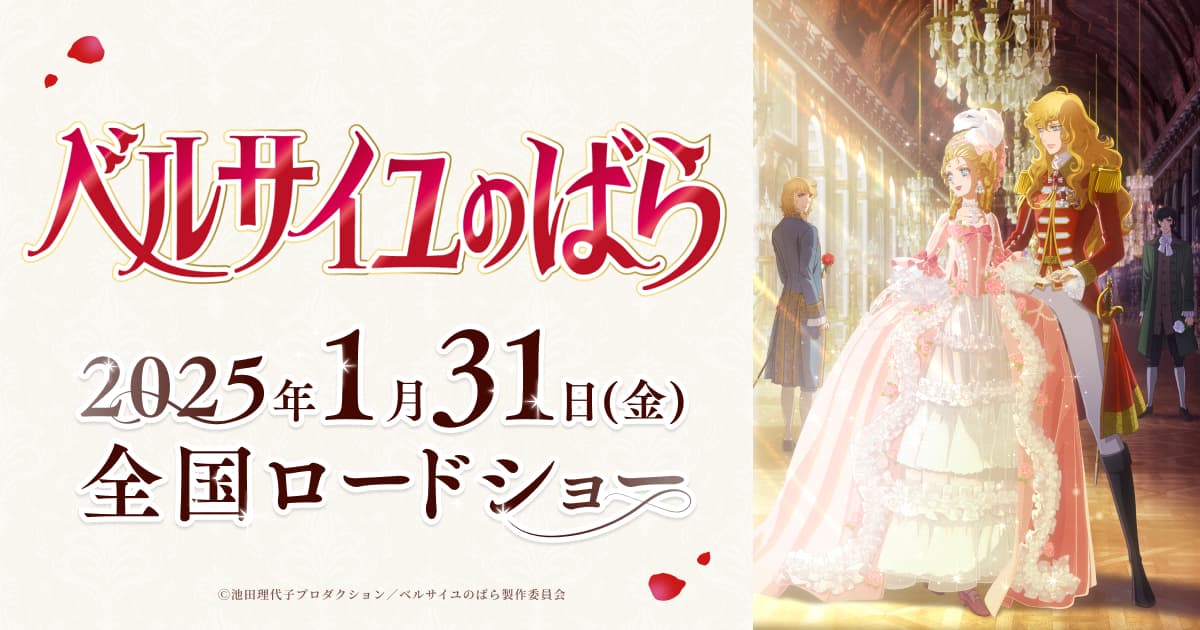
劇場アニメ『ベルサイユのばら』公式サイト
不朽の名作『ベルサイユのばら』が、50年以上の時を経て劇場アニメ制作決定ー これは、フランス革命という激動の時代の中で、それぞれの人生を懸命に生き抜いた「愛と運命の物語」原作:池田理代子(集英社「マーガレット・コミックス」刊)#ベルばら #
verbara-movie.jpHow Paneling and Visual Direction Evolved
From a creator's perspective, the most fascinating place where era differences show is paneling and visual direction. It's absolutely not the case that older works are simpler. In fact, 1970s works carry a boldness that comes from "the rules not being fully set yet." A massive close-up pushing emotion is immediately followed by a wide pull-back shot; narration is deliberately placed to hold a scene; a double-page spread delivers a dramatic turn. Reading them today, you can feel the era in the storytelling, but the rawness of those inventive moments is vivid.
By the 1980s-1990s, the mastery of double-page spreads became further refined. The single-impact power of Fist of the North Star, the quiet pause of Touch, Slam Dunk's figures bursting through panel borders -- the same spread format serves completely different aims. Whether showing force or letting silence ring, panel density and white space shift accordingly. The reason 1990s staples remain readable is that they organized information flow while increasing density, keeping the eye tracking smooth.
From the 2000s onward, the use of white space and the volume of internal monologue shifted again. Death Note increased text density to support its information warfare, while Yotsuba&! prioritized the breathing rhythm of daily life, reducing explanation and using timing for laughs. From the 2010s on, awareness of per-chapter hooks and "SNS-clippable" moments also grew, and overall pacing quickened. But faster doesn't mean shallower -- the impression is that the skill of conveying meaning through expression and composition, with fewer words, has actually improved. I feel this difference strongly as the contrast between settling at a desk with an older tankoubon for a focused read and swiping through a smartphone to ride a wave of emotion in one go.
💡 Tip
The trick to appreciating era differences is to look at how information is placed on a single page rather than the synopsis. Is it a work that punches you with spreads? One that sinks you with white space? One that pulls you with internal monologue? Seeing this makes the appeal of each era suddenly three-dimensional.
How Anime Adaptations Changed the "Entry Point"
In tracing changes across the decades, the interplay with anime adaptations can't be overlooked. Anime based on manga has existed for a long time, but its weight as a discovery pathway has grown substantially in recent years. Demon Slayer is a case where 23 volumes of source material and screen adaptations bound tightly together to massively widen the gate, while Attack on Titan saw anime direction generate worldwide buzz that then flowed back to the manga. Entering through the screen first and the page second is no longer anything unusual.
That said, the observation that screen popularity doesn't always translate directly to source material recognition overseas has also become visible. When the anime viewing experience is intense enough, it can create a thick layer of "I know the work but haven't read the manga." Even so, anime's power as an entry point is undeniable. Voice, music, color, and motion let you grasp the contours of a work's world first, making it easier to read the omissions and directorial intent in the manga when you return to it. Anime functions not just as promotional material but as a supplementary line that aids manga comprehension.
This isn't only a domestic story. Looking at Ministry of Economy, Trade and Industry data and WIP Group compilations on content exports, the overseas export value of Japan's content industry has reached roughly 5.8 trillion yen (~$39 billion USD), with anime and publishing carrying significant presence within that figure. Rather than separating manga and anime, it's more accurate to say we've entered an era where narrative IPs cross borders as a whole. It's no longer uncommon for overseas readers to first encounter a work through video and then pursue the source material in print or digital.
Academic accumulation also shows that manga's history isn't a simple upward curve -- expression, readership, distribution, and media mix have layered and shifted in complex ways. Google Arts & Culture's "Tracing the History of Manga" is useful for grasping the big picture, while more academic sources like Manga Studies vol. 17 give three-dimensional views of shojo manga and expressive history. Understanding the differences across decades isn't nostalgia or trivia -- it's a tool for reading "why is this work shaped this way?"
Where to Start If You're Reading a Manga Masterpiece for the First Time
Short and Completed
The most accessible first choice is a work that completes around 20 volumes and resolves its emotional threads cleanly. For anyone who wants to experience a classic but still feels hesitant about long series, this entry point does the most to eliminate the risk of a false start.
In order of reliable appeal, start with Demon Slayer at 23 volumes. Battle, family love, training, the resolution of grudges -- the satisfying beats of shonen manga are assembled at a modern tempo. It's easy to return to the source material even if you entered through the anime, and conversely, reading the manga first makes it natural to visualize the animated scenes. At 23 volumes, it's neither too long nor too short, and it stays within range even for someone whose reading habit has lapsed.
The next strongest pick is Death Note at 12 volumes (main series). The low volume count, combined with the "I can't stop before reading the next one" quality, makes it ideal for binge-reading. Budgeting roughly 1-2 hours per volume, the full main series falls in the 20-30 hour range, making it easy to picture tackling over a long weekend. If you're drawn to intellectual warfare and mind games, this will deliver high satisfaction as a first read. There are sets labeled "13 volumes" that include supplementary material, but for an entry point, the 12-volume main story is plenty.
For more of a narrative or suspense lean, The Promised Neverland at 20 volumes is also a strong option. The presentation of mysteries, the escape drama, and the world's mechanics are revealed at a brisk pace, making it a great way to experience the "keep-reading compulsion" of contemporary manga. Within the short-volume tier, choosing Death Note for intellectual duels, Demon Slayer for emotion and battle, and The Promised Neverland for suspense tends to cut through indecision.
Long-Running Epics
If you're the type who thinks "if I'm going to read a classic, I want the big-name titles everyone knows," then One Piece, Detective Conan, and Naruto are the royal road. These aren't selected purely on fame -- they're works whose length enables genuinely deep immersion in their worlds.
That said, don't set "finishing the whole thing" as your initial goal -- it makes the read much less stressful. To check compatibility, the first 1-3 volumes are sufficient. One Piece reveals its crew-gathering and adventurous spirit, Detective Conan shows you its case rhythm and main-plot intrigue, Naruto delivers the underdog's rising intensity -- all clearly within the opening stretch. Whether "I want more" arrives or not is the most honest signal.
A tip for avoiding long-series burnout: use anime as a supplement. Chasing dozens of volumes in manga alone takes stamina, but grasping character voices and atmosphere through the screen first makes the source manga's panel flow much easier to absorb. For character-heavy works like One Piece and Naruto in particular, connecting faces to names through the anime noticeably improves readability. Long-running epics are best approached with the mindset of "can I enter this world?" rather than "can I commit to finishing it all?"
Slightly Off the Beaten Path
For the "I'd love to touch something that feels like the origin point of modern manga" type, short and mid-length works from the 1970s-1980s make for fascinating entry points. The appeal here is separate from the latest bestsellers -- it's about seeing the inventions in expression itself.
My personal recommendation starts with Black Jack. Each episode is self-contained, so there's no burden of tracking a long serialization. Some chapters work as medical drama, others confront human nature and ethics -- the skill in creating emotional range within limited pages is outstanding. Readers accustomed to modern manga will notice the era in the storytelling, but that's precisely what gives it the texture of "so this is where things began."
For shojo or josei sensibilities, Banana Fish is a powerful off-the-beaten-path entry. Suspense, youth, violence, and delicate emotional currents coexist at high density, and it hasn't aged a day. Even people attuned to modern pacing tend to be drawn in by its power to convey feeling through gazes and silences. Rather than being a "read it after you've covered the big names" work, it has the potential to hook on first contact for anyone who loves atmospheric, expressively rich storytelling.
The strength of this zone lies not in volume counts but in the completeness of each episode and the density of meaning in each panel. For anyone who wants to experience classics not because "they're top-ranked" but because "I want to taste how manga became interesting," this is a well-matched entry point.
★ブラック・ジャック | グッズ | 【手塚治虫ワールド公式通販サイト】
www.tezuka-shop.jpFor Returning Readers
If you've been away from manga for a while, the approach that works best isn't starting from zero -- it's choosing based on where to reconnect with your own memories. The clearest path is revisiting the shared language of the 1990s.
Slam Dunk is a prime example. Beyond the athletic intensity, the way it builds tension during matches and depicts bodies in motion is superb -- the kind of work that restores your sense of "right, manga is this fun." The 31 volumes in the original format make a full binge a real commitment, but that's exactly why it works for easing back in gradually. Just opening the first few volumes communicates the quality of the atmosphere.
Another entry point is Sailor Moon. If you have memories of the anime, reading the source material will feel refreshingly different in its pacing and dramatic construction. Nostalgia gets you in the door, but the source material reads as genuinely new. This "I thought I knew this, but it's a different experience" sensation works powerfully for returning readers.
On the other hand, rather than only revisiting old territory, trying a completed 2010s series to feel "now" can also work. Titles like Demon Slayer or The Promised Neverland move fast, hook hard, and are designed to be followed digitally. Reigniting memory through a 1990s classic or connecting to the current reading landscape through a 2010s completion -- framing it as that binary choice helps you see which return path fits.
ℹ️ Note
When deciding on an entry point, placing one candidate from each decade within your preferred genre makes the decision easier. If in doubt, prioritize completed works around 20 volumes and use the anime to grasp the atmosphere before moving to the source material. Sampling a trial read or buying just volume 1 digitally is also a perfectly natural approach today.
For expanding your entry search further, scanning something like the "Kono Manga ga Sugoi! 2026" annual rankings helps you find points of contact with currently trending titles. Pairing that with series-specific deep dives (e.g., a breakdown of Chainsaw Man Part Two's foreshadowing) helps narrow down an entry that matches your taste (related: /manga/manga-chainsaw-man).
Hidden Gems That Didn't Make the Main Ranking
Following the ranked format this far, it's hard not to notice that mainstream shonen manga dominates the picture. Reader polls and circulation figures are powerful reference lines, and BookLive's poll alone drew 5,653 votes. But relying solely on those axes means romance, family, everyday texture, and "works that linger quietly after reading" tend to fall through the cracks. These are the titles that deserve their own space.
The Emotional Depth That Shojo Manga Provides
Shojo masterpieces operate in a different register from the "momentum" of rankings. Banana Fish, for instance, delivers intense suspense while depicting interpersonal distance and the texture of being hurt with remarkable delicacy. It doesn't pull you along on plot scale alone -- gazes and silences carry the emotion forward, so what stays with you after reading extends beyond the story's cleverness.
Nana similarly resists being filed away as "just a romance manga." Dreams, friendship, dependency, and missed connections are painted alongside the atmosphere of city life, achieving real density as a coming-of-age work. Character wardrobes and the air of their living spaces are part of the world-building, and from a craft perspective, the skill of "building a character's way of living through ambient detail" is remarkable.
Our Little Sister (Umimachi Diary) reveals classic status from yet another angle. Rather than a barrage of dramatic events, it draws family contours through sisters' conversations, meals, and the passing of seasons. Works like this are disadvantaged in the immediate impact metrics of top rankings, but as reading experiences they're deeply rich. In terms of supplementing the emotional layers of romance, family, and youth -- this category is arguably essential.
Seinen Manga Delivers Through "Structural Pleasure"
Among seinen-leaning works, Monster, 20th Century Boys, and Parasyte simply can't be left out. The appeal here isn't that they're dark or heavy -- it's that the way their stories are constructed is itself a source of pleasure.
Monster excels in foreshadowing placement and character connectivity -- the further you read, the more the world reveals itself as interconnected. Rather than flashy battles, it pulls you through information management and psychological manipulation. "Manga can control suspense this precisely?" is a thought that comes naturally.
20th Century Boys builds its appeal from a structure where memory and the present repeat and expand into something vast. The way childhood games and notebook scribbles transform into something ominously grand is masterful. More than the flashiness of its premise, it's the way it cultivates unease from "memories readers themselves have" that leaves an impression.
Parasyte cuts to the bone thematically. The question of what it means to be human runs through it without a trace of preachiness, carried by action and dialogue at a brisk tempo. Art and composition alike are remarkably economical -- when you finish, what remains isn't just "that was fun" but something that lodges in your thinking. For readers who've gone through the mainstream rankings and want to go one level deeper, this is where to look.
Subculture, Gourmet, and Educational Works Also Belong in the Masterpiece Conversation
The works most easily excluded by the phrase "masterpiece manga" are those rooted in daily life and those with an educational quality. But in terms of broadening reader entry points, they matter.
The Solitary Gourmet (Kodoku no Gourmet) may be best known as the source for the live-action drama, but reading it as a manga reveals a distinctive sense of pacing. More than a food review manga, it depicts the experience of walking into a restaurant alone, absorbing the aromas, temperatures, and ambient atmosphere while eating. Nothing dramatic happens, yet after reading a chapter, it feels like the noise in your head has been organized a little. I personally love reading this type of manga during a lunch break when I'm out -- The Solitary Gourmet is exceptionally effective as a "reset" to restore afternoon focus. Rather than settling in for a whole volume, it pairs best with a short, savoring approach.
Cells at Work! is also excellent as an educational entry point. The concept of personifying the body's internal systems is immediately clear, and rather than leaning entirely on explanation, character relationships keep the reading engaging. Educational manga often carries the stigma of "informative but thin as a story," but this work's entertainment design is solid enough that it genuinely works as manga. Works that refuse to separate learning from fun shine outside the mainstream rankings.
Why Placing These Outside the Main Ranking Actually Widens the Gate
The reason these works sit outside the main ranking isn't that they fall short in quality. It's the opposite: when balancing across decades and genres, the main ranking naturally generates competition among the staples. Prioritizing major shonen hits, decade-defining representatives, and accessibility as completed series means shojo, seinen suspense, subculture, gourmet, and educational gems inevitably overflow the frame.
That's precisely why presenting them separately has value. Rankings exist to narrow the entry point, but the fun of manga itself is much broader. The emotional sharpness of Banana Fish, the structural pleasure of Monster, the daily-life reading comfort of The Solitary Gourmet, the learning satisfaction of Cells at Work! -- once these enter your field of vision, "reading masterpieces" suddenly becomes personal. This section exists to leave a different door open for readers that the mainstream picks alone can't reach.
Reference Data and Notes
Throughout this article, I've deliberately used approximate phrasing: One Piece at roughly 510 million copies, Doraemon and Golgo 13 in the 300 million copy range, Naruto and Detective Conan in the 250 million copy range. Primary sources include official publisher announcements (Shueisha and others), official portals, and reliable aggregation sites. Citing the specific source with publisher name and reporting date is recommended where possible.
For gauging reader sentiment, the BookLive Top 100 Manga Representing the Heisei Era poll also has reference value. Built on 5,653 reader votes, its strength lies in surfacing "works whose names still come up" as something distinct from pure sales. I treat polls like this not as definitive rankings but as indicators for the temperature of works that remain in conversation over time. Mega-hits naturally dominate, but passionate readers pushing long-running favorites also surface, revealing appeal that circulation figures alone can't capture.
That said, reader polls have inherent biases in their sample populations. As a digital bookstore feature, there's an inevitable skew in the user base and generational composition. Looking at current manga engagement by age, the NTT Docomo Business survey found that 46.7% of men aged 25-29 and 44.8% of women aged 20-24 reported reading manga frequently. With entry points expanding beyond print to include streaming and anime tie-ins, poll results tend to reflect contemporary reading patterns. That's why this article uses reader polls as material for gauging "enduring affection" rather than equating them with historical evaluation itself.
💡 Tip
Circulation measures "scale," reader polls measure "the heat of support," and awards measure "critical evaluation." Rather than determining a masterpiece by any one of these, layering them together draws a cleaner outline of a work.
When handling short-term sales trends, Oricon is the key reference. Their comic tracking began on April 7, 2008, which means works predating that can't be traced in the same format for "how much they sold in real time." Ignoring this makes 1970s and 1980s masterpieces look unfairly disadvantaged. Oricon data should therefore be read as figures for gauging recent momentum. For instance, the Oricon Annual Book Rankings 2025 specifies a tabulation period of November 18, 2024 to November 16, 2025. Even annual results don't perfectly align with the calendar year.
For the same reason, weekly rankings are convenient but only show snapshot velocity. Data like the Oricon Weekly Comic Rankings (example week) are effective for reading reactions right after an anime broadcast, film release, or new volume launch. But short-term trend strength and long-term evaluation are different things. A work like Demon Slayer that rapidly became a social phenomenon and a work like Black Jack or Ashita no Joe that achieved classic status over decades can't be measured on the same ranking table. That's why this article avoids ordering cross-era comparisons by single-year sales.
Touching briefly on international reach: Japan's content industry export value has grown to roughly 5.8 trillion yen (~$39 billion USD). This isn't the manga figure alone, but factoring in anime adaptations, translations, streaming, and merchandise, the foundation for Japanese narrative content reaching the world has clearly expanded. Recent titles like Attack on Titan and Demon Slayer are no longer received in a purely domestic frame. Conversely, older masterpieces built their reputations in an era when international distribution systems weren't nearly as developed, so comparing purely on global reach isn't fair either.
The takeaway for this section: numbers are useful, but the more neatly arranged they appear, the more carefully they should be read. Manga's visibility shifts dramatically based on volume structure, edition multiplicity, serialization timing, and the presence of media mix. This article uses sales and polls while centering the actual reading experience -- accessibility, the power to transcend eras, and whether it still resonates today. Numbers are there for persuasiveness, but the true center for determining a masterpiece is always the strength of the experience when you turn the page.
FAQ
Should I Start with Completed Series?
If you're unsure, starting with a completed series around 20 volumes is the safest way to avoid a critical misstep. The logic is simple: the finish line is visible, which makes it easier to build reading momentum, and completing one series gives you the context to judge what to read next. These titles are easy to bring up in conversation, too -- Fullmetal Alchemist at 27 volumes, Nodame Cantabile at 25, Demon Slayer at 23 all hit a comfortable balance.
I think whether you can get that "I finished it" feeling from your first manga makes a real difference. Ultra-long series can be incredible when they click, but it's true that they can feel daunting at the start. Completed mid-length works, on the other hand, let you see the story's design clearly -- you get to experience foreshadowing payoffs and the narrative's final acceleration.
Are There Long Series That Work for Beginners?
Absolutely. The prime examples are One Piece and Detective Conan. The volume count looks overwhelming at a glance, but beginners don't need to shoulder the entire run from the start. Checking compatibility with the first 1-3 volumes makes them much more approachable. Character energy, worldbuilding, and the rhythm of cases or adventures come through clearly within that range.
If the vibe works, supplementing with the anime drastically reduces the burden. Detective Conan is easy to access case by case, while One Piece reveals its personality strongly during the early crew-gathering phase. Reducing the amount you track in print or digital while using video to grasp the flow is a realistic approach. Long-running epics work best with a "can I enter this world?" mindset rather than "I'm committing to finish everything."
Is It OK to Start with the Anime?
Absolutely. It's a completely natural way to approach manga today. Ministry of Economy, Trade and Industry materials indicate that an anime's popularity serves as a strong entry point -- cases where screen success and source material awareness don't perfectly align actually underscore how effectively anime functions as a gateway. The assumption isn't that you've read the source material first; starting with the anime to grasp the world and characters before returning to the manga is nothing unusual.
From a craft perspective, anime lowers the entry barrier through voice, music, color, and pacing. When you return to the manga afterward, the panel composition, directorial craft, dialogue spacing, and visual inventiveness become more visible. Works like Demon Slayer and Attack on Titan, where interest naturally extends from screen to page, are especially strong in this pathway.
Which Decade Is the Best Starting Point?
If shared cultural vocabulary matters most, the 1990s are your best bet. Slam Dunk, Yu Yu Hakusho, Rurouni Kenshin -- these titles are recognized across generations, and they deliver the satisfying fundamentals of the classics. When you're reading masterpieces for the first time, having titles that are easy to bring up in conversation is a genuine advantage.
If pacing is the priority, the 2010s are the way to go. Story progression is fast, and many works are easy to access alongside anime and streaming. Demon Slayer and Attack on Titan are the defining examples of that accessibility-plus-intensity balance.
On the other hand, if you want to taste short-form invention and what makes manga expression itself fascinating, the 1970s have real charm. Black Jack's episodic format packs the skill of building emotion in limited pages into tight spaces. The tempo differs from modern works, but there's a distinct pleasure in feeling "so this is where it all expanded from."
ℹ️ Note
If you can't decide on a decade, the sequence 1990s for grasping the classics, 2010s for experiencing modern pacing, 1970s for glimpsing the roots tends to be a naturally compatible progression.
Digital or Print?
Both have clear advantages. For trial reads and early compatibility checks, digital wins. Instant access on your phone makes it perfect for reading just volume 1 to get a feel. When you're still deciding whether a long series is worth the commitment, it's an extremely rational approach.
On the other hand, if you want to keep a work you've grown to love, print has an irreplaceable quality. Seeing spines lined up on a shelf visually accumulates your relationship with that series. I like to call this sensation "building your shelf" -- there's something special about the tactile pleasure of revisiting a masterpiece you own. Practically speaking, using digital for commutes and going out while keeping print at home is the most comfortable hybrid. A few paperback volumes add noticeable weight to your bag, so shifting the portable portion to digital is a genuinely comfortable approach.
Conclusion
Masterpiece manga delivers even more when you experience each work with the atmosphere of the era it was born in. Start by picking one title each from the 1970s, 1990s, and 2010s onward -- begin with shorter or mid-length works, and if they resonate, progress to longer series. That's the most relaxed way in.
If a title catches your eye, try a digital sample or buy just the first volume. Once you're hooked, binge a completed series or deepen your immersion by layering in the anime. Roundups like the "Kono Manga ga Sugoi! 2026" announcement and guides like the 50 Best Completed Manga for Binge-Reading can also serve as footholds for your next pick.
There's something about the night you finish a great manga -- a sense of elation that whispers "maybe I'll crack open a different decade next." That bridge between one read and the next is the greatest luxury of exploring masterpieces.
Related Articles
50 Must-Read Completed Manga — For Binge Reading
50 Must-Read Completed Manga — For Binge Reading
Chainsaw Man Part 2: A Deep Dive into the School Arc, Its Appeal, and Hidden Foreshadowing
Chainsaw Man Part 2: A Deep Dive into the School Arc, Its Appeal, and Hidden Foreshadowing
Kono Manga ga Sugoi! 2026 Rankings: Full Results and What Makes Each Winner Special
Kono Manga ga Sugoi! 2026 Rankings: Full Results and What Makes Each Winner Special
Best Manga to Buy All at Once — How to Choose Complete Series Sets